
Casino Online Banking and Safeguarded Payment Administration
Casino Online Banking and Safeguarded Payment Administration
Online casino venues run economic systems that enable customers to add money and collect earnings through multiple banking channels. Modern gambling portals integrate several payment processors to support various player selections across distinct areas. The banking framework of casinò online bonus senza deposito trustworthy casino operators employs encryption protocols to shield sensitive economic data during monetary transactions, guaranteeing account credentials remain safeguarded from unauthorized access.
How Casino Banking Platforms Manage Player Transactions
Payment services and casino platforms may charge transaction costs that diminish the final sum applied to user balances. Particular casinos assume these fees to improve customer contentment, while others transfer charges directly to users. Digital wallet services frequently impose percentage-based fees for currency conversions or global operations.
Essential elements when selecting a casino payment option encompass:
Bank Cards, Digital Wallets, and Other Payment Methods
Online casinos set lowest and maximum deposit limits that vary based on the payment method picked and the customer's account level. Smallest deposit amounts typically vary from five to twenty currency units, permitting occasional users to participate without major economic commitments. Highest deposit thresholds serve as defensive precautions and may be adjusted relying on gambler confirmation stages.
Selecting an suitable payment approach demands thoughtful analysis of various factors that impact the gambling session. Users should assess transaction speeds, as particular options deliver instantaneous deposits while others demand waiting durations. The availability of a payment alternative in specific geographic locations also impacts decision, since not all approaches function globally across multiple territories.
Bank cards remain among the most broadly accepted payment methods at online casinos, with Visa and Mastercard credit and debit cards available at the bulk of gambling sites. Customers can connect their cards directly to casino profiles and complete transfers by inputting card numbers, expiration dates, and security codes. Card transfers usually complete within minutes for transfers, though withdrawal periods may extend longer based on issuing bank procedures.
Essential Considerations When Choosing a Casino Payment Approach
Different payment approaches include prepaid vouchers, cryptocurrency choices, and mobile payment methods that serve to certain geographic territories.
Digital wallets such as PayPal, Skrill, and Neteller deliver swifter transaction rates and superior security relative to conventional banking approaches. These e-wallet providers operate as intermediaries between gambler bank balances and casino platforms, enabling players to supply their gambling sessions without providing banking credentials directly with casino online con bonus senza deposito the casino operator. Electronic wallet payouts typically process more rapidly than bank movements.
- Transaction charges assessed by the payment processor or casino site
- Execution periods for both deposits and payouts
- Security functions and encryption protocols employed
- Cashout limits and maximum transaction values
- Currency conversion charges for cross-border transactions
Deposit Caps, Minimum Transactions, and Likely Fees
Casino withdrawal requests experience a phased evaluation procedure intended to validate transaction legitimacy and comply with regulatory obligations. When a gambler submits a withdrawal application, the casino's economic department initiates an examination of the account transactions to uncover any irregularities or policy breaches. This assessment period usually runs between twenty-four and seventy-two hours, relying on the casino's internal methods and the withdrawal total.
Once the examination finishes favorably, the casino moves money to the preferred payment method, and the effective transfer duration relies on bonus casinо the chosen withdrawal method. Electronic wallets receive resources fastest, while bank transfers take further operational days to complete the transaction cycle.
Transaction processing durations change relying on the preferred payment approach, with online wallets typically offering instant additions while bank transactions may need multiple operational days. The casino banking system retains detailed logs of all monetary events, including timestamps, transaction sums, and payment method markers. These documents guarantee transparency and allow users to track their financial exchanges with casino online con bonus senza deposito the gambling platform at any time.
How Casino Cashout Applications Are Assessed and Handled
Withdrawal limits work distinctly than deposit caps, with casinos often establishing daily, weekly, or monthly limits on the totals customers can collect. These thresholds preserve casino reserves while guaranteeing that users with casino bonus senza deposito significant proceeds can obtain their money through timed withdrawal submissions.
Casinos utilize specialized confirmation staff that review submitted records for validity and correctness, verifying personal information against account registration details. The authentication duration differs from various hours to several operational days, based on document standard and casino capacity.
Casino banking systems execute player operations through combined payment interfaces that link directly to financial establishments and payment service providers. When a player begins a deposit, the platform interacts with the chosen payment approach to validate accessible resources and verify the transaction submission. The casino site then gets approval before posting the customer account with the added value.
Identity Authentication and Its Importance in Casino Transactions
During the pending period, casino personnel confirm that playthrough conditions linked with rewards have been met and that the player has submitted all necessary identity files. Significant payouts commonly necessitate increased examination and may require top management approval before execution commences.
Instructions for Submitting a Payout from a Casino Account
- Navigate the casino finance segment and pick the withdrawal option
- Select the desired payment option from available withdrawal alternatives
- Input the withdrawal value within approved caps
- Check account information and payment details correctness
- Submit the withdrawal application for casino examination
Transaction Protection and Defense of Monetary Information
Overseeing Transaction Record Through the Gambler Account
Responsible Deposit Oversight and Individual Budget Caps
Responsible deposit administration enables gamblers to retain control over their gambling costs and avoid financial challenges linked with uncontrolled expenditure. Authorized casinos offer self-set deposit restriction tools that permit gamblers to configure daily, weekly, or monthly limits on the sums they can transfer into their balances. These thresholds become operational promptly upon activation and continue in effect until customers seek alterations, which usually need delay durations before execution.
Reality verification notifications alert players of period used gambling and cash risked, encouraging recognition of playing habits. Spending tracking functions help players observe their expenditure habits and modify their gambling behavior correspondingly. Establishing personal budget caps before interacting with casino platforms guarantees that gambling stays an recreational pastime rather than a financial strain.

Почему многие предпочитают моделирование как хобби
Почему многие предпочитают моделирование как увлечение
Моделирование представляет собой захватывающее занятие, которое сплачивает людей разных возрастов и занятий. Формирование малых копий самолетов, лайнеров, транспорта или архитектурных сооружений дает уйти от обыденных хлопот и окунуться в творческий процесс. Скрупулезная работа с маленькими деталями предполагает максимальной концентрации внимания.
Детальные копии манят достоверностью воспроизведения размеров и подробностей, которые в повседневной жизни оказываются незамеченными. Работа над пинко предполагает познания справочной материалов и снимков, что расширяет эрудицию и усиливает восприятие объекта.
Авиамоделирование содержит изготовление моделей самолетов всевозможных времен, начиная от первоначальных летательных устройств и заканчивая современными реактивными бомбардировщиками. Любители пинко зеркало копируют как армейскую авиацию, так и коммерческие лайнеры, уделяя заботу деталям пилотской и шасси.
Чем завораживает изготовление малых реплик предметов
Базовый комплект принадлежностей для стартующего любителя содержит несколько ключевых пунктов. Заточенные бокорезы помогают точно отсоединять элементы от литников, а специальный нож нужен для обработки соединений. Пинцет помогает работать с мелкими деталями, а надфили используются для зачистки поверхностей.
Хвалебные оценки от других любителей повышают ощущение гордости за выполненную деятельность. Демонстрация готовых моделей на смотрах помогает получить одобрение в сообществе персон, разделяющих занятие пинко как способом творческого самореализации.
Доступность материалов и ассортимент наборов превращают пинко удобным для людей с разным степенью квалификации. Новички выбирают простые комплекты с минимальным количеством компонентов, тогда как продвинутые моделисты избирают непростые работы, требующие недель усилий.
Какие направления моделирования существуют
Автомоделирование представлено легковыми автомобилями, тягачами и спортивными болидами. Детальные копии ретро-автомобилей снискали спросом среди ценителей. Бронетехника составляет особое область, где поклонники моделируют танки и передвижные артиллерийские орудия всевозможных вооруженных сил.
Воссоздание действительных вещей в миниатюре дает шанс обратиться к истории и технике через материальные виды. Каждая компонент модели отражает технические черты прототипа, что помогает яснее понять законы работы устройств или архитектурные решения. Монтаж танка периода Второй мировой войны раскрывает информацию о бронетехнике, а создание парусника погружает в naval летопись.
Архитектурное моделирование сосредотачивается на постройках, крепостях и мостах, предоставляя осваивать зодческие каноны различных культур.
Почему монтаж моделей помогает сконцентрироваться
Анализ итогового продукта с исходным набором компонентов раскрывает величину проделанной труда. Куча пластиковых деталей превратилась в аккуратную реплику реального предмета благодаря выдержке и тщательности. Любитель осознает очевидную корреляцию между приложенными стараниями и результатом завершенного продукта.
Однообразные операции вроде шлифовки литников или раскрашивания мелких компонентов порождают такт, который успокаивает психическую систему. В отличие от динамично трансформирующихся виртуальных развлечений, моделирование предоставляет спокойный скорость труда, где результат определяется от усидчивости и аккуратности. Систематические тренировки тренируют устойчивость фокуса, которая переносится на иные сферы жизни, помогая результативнее преодолевать с служебными и учебными заданиями.
Работа с хрупкими элементами предполагает осторожности и регулирования манипуляций. Один грубый жест может сломать тонкую деталь, над которой проводилась усердная работа. Такие случаи приучают предусмотрительности и аккуратному отношению к каждому операции.
Как хобби воспитывает точность и усидчивость
Деятельность с крошечными частями требует тотального углубления в ход, что естественным путем отключает внимание от окружающих факторов. Когда любитель соединяет миниатюрные компоненты или накладывает краску деликатной кистью, лишние идеи уходят на дальний план. Такая сосредоточенность напоминает расслабленное состояние.
Шанс изучать технику, летопись и архитектуру
Прелесть моделирования состоит в возможности лично формировать нечто осязаемое и долговечное. Итог работы можно держать в руках, представлять друзьям или помещать в коллекции. Процесс конструирования тренирует мелкую моторику и пространственное мышление, что исключительно важно в эпоху доминирования виртуальных технологий.
Какие компоненты и инструменты требуются новичку
Потребность следовать указаниям и соблюдать порядок шагов совершенствует умение поддерживать внимание на протяжении значительного отрезка. Деятельность над пинко учит не отвлекаться на срединных ступенях и завершать начатое до завершения.
Почему законченная модель приносит чувство довольства
Творческий аспект обнаруживается в возможности персонализировать готовое произведение через окраску и проработку. Любители привносят элементы износа, воссоздают следы эксплуатации или конструируют диорамы. Такая свобода самореализации трансформирует технический процесс сборки в художественное искусство, где каждый изделие становится исключительным шедевром.
Создание миниатюрных копий обращается в увлекательный метод освоения разных сфер знаний. Моделист, занимающийся над танком конкретной времени, изучает тактико-технические данные бронетехники и хронику армейского применения. Репродукция самолета требует понимания аэродинамических принципов и устройства силового агрегата.
Как группы моделистов стимулируют интерес
С какой копии предпочтительнее приступить начальное знакомство
Выбор первого работы определяет последующее настрой к занятию, поскольку слишком непростая модель может отбить охоту продолжать. Новичкам советуется концентрировать заботу на комплекты с маркировкой о малом уровне трудности, которые содержат минимальное количество компонентов. Легкие наборы помогают освоить фундаментальные навыки без угрозы испортить дорогостоящий материал.
Направленность первой модели обязана совпадать личным интересам энтузиаста. Любителю военной техники сгодится несложный танк или самолет, любителю автомобилей следует выбрать личную машину. Личная взаимосвязь с объектом моделирования сохраняет вдохновение в процессе труда над пинко казино и помогает преодолевать появляющиеся препятствия, трансформируя освоение в захватывающее путешествие.
Whales: Giants of the Ocean
Whales: Giants of the Ocean
Whales are among the largest and most remarkable animals on Earth. These marine mammals live in oceans around the world, from warm tropical waters to the cold seas surrounding the poles.
Life Beneath the Surface
Although whales spend their lives in water, they breathe air through blowholes located on top of their heads. They must regularly return to the surface to breathe before diving again in search of food or traveling through the ocean.
Whales are warm-blooded, give birth to live young, and nurse their calves with milk. A thick layer of fat called blubber helps protect them from cold water and stores energy during long migrations.
Two Main Groups
Whales are generally divided into baleen whales and toothed whales. Baleen whales filter small animals from the water using flexible plates inside their mouths. This group includes blue whales, humpback whales, and gray whales.
Toothed whales use teeth to catch fish, squid, and other prey. Many of them also use echolocation, producing sounds and listening for returning echoes to understand their surroundings. Sperm whales, belugas, and orcas belong to this group.
The Blue Whale
The blue whale is the largest known animal to have ever lived. An adult can grow longer than a city bus and weigh well over one hundred tonnes. Despite its enormous size, it feeds mainly on tiny crustaceans called krill.
Communication and Migration
Whales communicate using clicks, whistles, pulses, and complex songs. Some sounds can travel across great distances underwater. Humpback whales are especially famous for their long, patterned songs.
Many species migrate thousands of kilometres each year. They often feed in cold, nutrient-rich waters before traveling to warmer regions where they mate and give birth.
Protecting Whales
Commercial hunting once caused severe declines in many whale populations. Today, whales also face threats from fishing gear, ship collisions, underwater noise, pollution, and changes to ocean ecosystems.
Conservation programs, safer fishing practices, protected habitats, and international cooperation can help whale populations recover. Protecting whales also supports healthier oceans because these animals play an important role in marine food webs and nutrient cycles.
Frische Spielneuheiten entdecken für Spieler mit innovativen Features und Boni
Frische Spielneuheiten entdecken für Spieler mit innovativen Features und Boni
Wer ein Online-Casino besucht, trifft heute oft schon auf der Startseite auf eine Reihe neuer Spielautomaten. Manche Nutzer klicken aus reiner Neugier darauf, andere suchen gezielt nach den jüngsten Veröffentlichungen ihrer Lieblingsstudios. Auf //allyspinz.de/ begegnen Spielern regelmäßig wechselnde Spielangebote, bei denen neue Themen, Bonusmechaniken und bekannte Anbieter nebeneinander stehen. Gerade für Neulinge kann das erst einmal etwas unübersichtlich wirken, aber genau darin liegt für viele auch der Reiz.
Die frischen Releases sehen selten alle gleich aus. Zwischen futuristischen Abenteuern, klassischen Früchteslots und detailreichen Mythologie-Spielen tauchen immer wieder Ideen auf, die zunächst ein wenig ungewöhnlich erscheinen. Spieler berichten häufig, dass nicht allein hohe Gewinnversprechen entscheidend sind. Die Stimmung, ein überraschender Soundeffekt oder eine Bonus-Runde, die nicht nach den bekannten Mustern abläuft, bleiben oft stärker im Gedächtnis.
Die Studios hinter den neuen Spielwelten
Hinter den Neuheiten stehen meist Studios, die ihre eigene Handschrift recht deutlich zeigen. Einige setzen auf aufwendige Animationen und filmische Einstiege, andere bleiben bewusst schlicht und konzentrieren sich auf schnelle Spielrunden. Für erfahrene Nutzer ist das oft schon beim ersten Blick erkennbar. Ein Spiel von NetEnt fühlt sich beispielsweise anders an als ein Titel von Play’n GO oder Pragmatic Play, auch wenn das Thema auf den ersten Blick ähnlich sein mag.
Viele Entwickler versuchen, vertraute Mechaniken nicht komplett zu ersetzen, sondern vorsichtig weiterzudenken. Freispiele werden mit auswählbaren Multiplikatoren kombiniert, Walzen verändern ihre Größe oder Symbole sammeln sich für eine spätere Bonusphase. Nicht jede Neuerung begeistert sofort. Manche Spieler bevorzugen weiterhin klare Regeln und wenig Ablenkung. Andere suchen gerade diese kleinen Überraschungen, weil eine gewöhnliche Drehung dadurch etwas weniger vorhersehbar wirkt.
| Studio | Typischer Eindruck | Häufige Spielidee |
|---|---|---|
| Play’n GO | Abwechslungsreiche Themen, oft erzählerisch | Bonusspiele mit besonderen Symbolen |
| Pragmatic Play | Direkter Einstieg, farbige Präsentation | Kaufoptionen und Multiplikatoren, sofern verfügbar |
| NetEnt | Detaillierte Gestaltung und klare Atmosphäre | Freispielrunden mit erzählerischem Rahmen |
Features, die Spielern wirklich auffallen
Bei neuen Slots fallen zunächst meist die großen Begriffe auf: Megaways, Cluster Pays, Hold & Win oder Freispiele mit Multiplikatoren. Dahinter steckt aber nicht immer automatisch ein besseres Spielerlebnis. Einige Nutzer mögen es, wenn sich die Anzahl der Gewinnwege während der Runde verändert. Andere empfinden diese Systeme als hektisch, besonders wenn mehrere Anzeigen gleichzeitig blinken und sich ständig etwas bewegt.
Als angenehm werden häufig Features wahrgenommen, die verständlich erklärt werden und nicht erst nach zehn Minuten Sinn ergeben. Eine gute Spielneuheit muss nicht kompliziert sein, um spannend zu wirken. Ein kleines Sammel-Feature, das im Hintergrund wächst, kann mehr Spannung erzeugen als ein überladener Bonusmodus. Bei vielen aktuellen Titeln sehen Spieler außerdem eine Demoversion, bevor sie mit echtem Geld starten. Das ist keine Garantie für spätere Gewinne, aber ein sinnvoller Weg, Tempo, Volatilität und Gestaltung kennenzulernen.
| Feature | Was Spieler erleben | Worauf geachtet wird |
|---|---|---|
| Freispiele | Zusatzrunden mit veränderten Regeln | Auslöser und mögliche Multiplikatoren |
| Cascading Reels | Gewinnsymbole verschwinden, neue rücken nach | Dynamik und klare Gewinnanzeige |
| Bonus Buy | Direkter Zugang zur Bonusphase, falls erlaubt | Kosten, Regeln und regionale Verfügbarkeit |
Boni begleiten neue Releases, ersetzen aber keine Auswahl
Wenn ein Betreiber neue Spiele besonders sichtbar macht, erscheinen daneben nicht selten Freispiele, Einzahlungsangebote oder Aktionen für bestimmte Anbieter. Für Nutzer klingt das zunächst attraktiv, und manchmal passt ein Bonus tatsächlich gut zum gewünschten Spiel. Dennoch schauen aufmerksame Spieler meist erst in die Bedingungen. Freispiele gelten häufig nur für ausgewählte Slots, Gewinne können an Umsatzvorgaben gebunden sein, und auch ein Ablaufdatum ist keine Kleinigkeit.
Ein Teil der Spielerschaft hält kleine, transparente Angebote deshalb für angenehmer als sehr große Bonuszahlen. Diese Haltung wirkt vielleicht nüchtern, ist aber verständlich. Wer einen neuen Slot in Ruhe ausprobieren möchte, achtet eher auf ein passendes Budget, die Einsatzspanne und die eigenen Grenzen. Seriöse Plattformen stellen Informationen zu Spielerschutz, Limits und Hilfeangeboten sichtbar bereit. Das nimmt dem Spiel nicht den Unterhaltungswert, sorgt aber für einen deutlich realistischeren Rahmen.
FAQ zu neuen Casino-Spielen
Wie erkennen Spieler wirklich neue Releases? Meist führen Online-Casinos eigene Bereiche wie „Neu“, „Neu erschienen“ oder „Neue Slots“. Auch Filter nach Anbieter und Veröffentlichungsdatum helfen. Manche Nutzer folgen zusätzlich den Ankündigungen einzelner Studios, weil dort neue Titel oft früher vorgestellt werden.
Sind innovative Features automatisch vorteilhaft? Nein. Sie verändern den Ablauf und können eine Runde spannender machen, erhöhen aber nicht automatisch die Gewinnchance. Spieler prüfen daher idealerweise Spielregeln, RTP-Angaben, Volatilität und die verfügbare Demoversion, bevor sie sich entscheiden.
Lohnen sich Freispiele für neue Spiele? Das hängt von den Bedingungen ab. Wenn Freispiele auf einen interessanten Slot gelten und die Regeln nachvollziehbar sind, können sie einen unkomplizierten Einstieg bieten. Wer sich unter Druck gesetzt fühlt oder Verluste ausgleichen möchte, sollte besser pausieren. Glücksspiel bleibt Unterhaltung und ist ausschließlich für volljährige Personen gedacht.
Apuestas deportivas claves para seguir eventos y gestionar tus selecciones

Apuestas deportivas claves para seguir eventos y gestionar tus selecciones
Cuando probamos distintas formas de seguir apuestas deportivas en plataformas de casino online, llegamos a una conclusión bastante sencilla, aunque no siempre fácil de aplicar: apostar mejor no depende solo de conocer un equipo. También importa saber leer el evento, entender la cuota, manejar el ritmo de la jornada y no convertir cada partido televisado en una decisión automática. Durante nuestras pruebas revisamos mercados de fútbol, tenis, baloncesto y deportes con calendario más continuo, comparando la experiencia de navegación, las opciones de apuesta en vivo y la claridad de los datos.
Como punto de partida, consultamos la oferta disponible en //spinmama-spain.es/es-es/ para observar cómo se presentan las competiciones, qué tan accesibles son las cuotas y qué detalles ayudan realmente a tomar una decisión más ordenada. Nuestra impresión fue que una interfaz limpia cambia bastante la experiencia. No garantiza un resultado, claro, pero evita errores pequeños, como elegir un mercado equivocado o confundir una apuesta previa al partido con una opción en directo.
Seguir un evento sin perder el contexto
Ver un partido y apostar sobre él parecen actividades idénticas, pero no lo son. Al seguir fútbol, por ejemplo, conviene separar lo que está ocurriendo en pantalla de lo que el mercado ya ha incorporado en la cuota. Un equipo puede dominar la posesión y, aun así, generar muy poco peligro. Otro puede haber tenido dos llegadas claras con apenas un 35% de balón. Si nos fijamos solo en una estadística, la lectura se vuelve incompleta. En nuestras sesiones, la mejor información casi siempre apareció al combinar imagen, alineaciones, ritmo y datos básicos.
También verificamos que la hora importa. Un encuentro de liga que empieza a mediodía, un partido europeo entre semana o una final con tensión acumulada no se comportan igual. El cansancio, las rotaciones, una superficie pesada o incluso un viaje reciente pueden afectar más de lo que parece. No se trata de encontrar una fórmula secreta, porque no existe, sino de evitar la idea de que el nombre más conocido gana por inercia.
La pantalla no cuenta toda la historia
Cuando seguimos un evento desde una casa de apuestas, solemos tener varias capas de información: marcador, minuto, estadísticas, gráfico de presión y cambios de cuota. Algunas herramientas resultan útiles, otras son más decorativas. Un gráfico puede indicar ataques peligrosos, aunque no explica si esos ataques terminaron en un remate real o en un centro sin destinatario. Por eso recomendamos tomar los indicadores como apoyo y no como sustituto de ver el partido, cuando sea posible.
En fútbol, prestamos atención a detalles modestos: un lateral con tarjeta amarilla frente a un extremo rápido, un mediocentro agotado que deja espacios, un delantero que se mueve bien aunque todavía no haya marcado. En baloncesto observamos faltas, rotaciones y porcentaje de tiro, pero también el tipo de lanzamientos. En tenis, el servicio puede parecer estable hasta que vemos que el jugador está ganando sus juegos con demasiados puntos de ventaja. Son matices. A veces no cambian nada, pero ignorarlos casi nunca mejora una selección.
Cuotas, mercados y valor aparente

La cuota es el centro de cualquier apuesta deportiva, aunque a menudo se interpreta de manera demasiado rápida. Una cuota baja no es sinónimo de apuesta segura y una cuota alta no significa necesariamente que sea mala. Representa una estimación del mercado y, además, incorpora el margen de la plataforma. Cuando comparamos mercados, vimos que una misma idea puede expresarse de varias maneras: ganador del partido, doble oportunidad, total de goles, hándicap, ambos equipos marcan o resultado por periodos.
La pregunta útil no es solo “¿quién creemos que ganará?”, sino “¿la cuota ofrecida compensa de forma razonable la probabilidad que le damos?”. Esta diferencia parece técnica, y un poco lo es, pero ayuda a frenar apuestas impulsivas. Si un favorito tiene una cuota muy reducida y viene de una semana exigente, quizá el riesgo no está bien pagado. Al contrario, una cuota algo más alta puede tener sentido si existen razones concretas, no una simple intuición de último minuto.
| Mercado | Qué seguimos durante el evento | Riesgo habitual |
|---|---|---|
| Ganador | Marcador, ocasiones claras, cambios y estado físico. | Sobrevalorar al favorito por reputación. |
| Total de goles o puntos | Ritmo, calidad de llegadas, faltas, eficacia y tiempo restante. | Mirar solo el marcador y no el desarrollo. |
| Hándicap | Diferencia real entre equipos y actitud competitiva. | No calcular bien el margen necesario. |
| Mercados de jugador | Minutos previstos, función táctica, faltas y lesiones. | Olvidar que una sustitución cambia todo. |
Elegir menos mercados puede ser una ventaja
Una observación que compartimos después de probar muchas secciones es que la variedad puede confundir. Las plataformas modernas muestran decenas, incluso cientos, de opciones para un solo partido. Eso es cómodo para quien ya sabe qué busca, pero puede provocar que una persona salte de un mercado a otro sin un criterio consistente. Nos pareció más sensato seguir unos pocos formatos que comprendamos de verdad, al menos al principio.
No hace falta acertar el resultado exacto para participar. De hecho, los mercados más específicos suelen exigir una lectura más precisa y dejan poco margen a una interpretación equivocada. A veces una selección sencilla, basada en un aspecto concreto del encuentro, resulta más fácil de revisar después. La revisión importa mucho, porque permite distinguir entre una mala decisión y una decisión razonable que simplemente no salió.
Gestión de selecciones y presupuesto
La gestión no es la parte más emocionante de las apuestas deportivas, pero probablemente sea la que más protege la experiencia. Durante nuestras pruebas establecimos importes modestos y un límite previo para cada jornada. Hacerlo antes de abrir una retransmisión fue importante. Cuando el partido se acelera, es fácil pensar que una nueva apuesta “compensa” la anterior. Esa lógica puede convertirse en una cadena incómoda y no tiene nada que ver con analizar deporte.
Una apuesta debería ser entretenimiento con un coste asumible, no un plan para solucionar problemas económicos. Esta idea es simple, pero conviene repetirla. Las rachas existen en ambos sentidos, y ninguna tendencia corta confirma que se haya descubierto un método infalible. En nuestro caso, registrar las apuestas de manera básica, con fecha, deporte, mercado y motivo, dio una visión más honesta de los hábitos.
- Definimos un presupuesto independiente. Usamos una cantidad destinada al ocio que no interfiere con gastos esenciales, pagos pendientes ni ahorros.
- Fijamos una unidad de apuesta. Mantener importes similares facilita medir resultados y evita aumentar la cantidad por euforia.
- Seleccionamos los eventos antes de empezar. No intentamos cubrir cada encuentro disponible solo porque esté en directo.
- Revisamos el motivo de cada selección. Si no podíamos explicarlo en una frase clara, normalmente era mejor no añadirla.
- Respetamos el límite. Una vez alcanzado, cerramos la sesión, incluso si quedaba un partido interesante por comenzar.
No todas las personas llevan un registro igual de detallado. Algunas prefieren una nota breve y otras consultan el historial de la cuenta. Ambas opciones sirven si ayudan a detectar patrones. Por ejemplo, observamos que las selecciones hechas en los últimos minutos de un partido eran, en general, menos meditadas. No siempre fueron malas, pero sí se apoyaban más en emoción que en información.
Combinadas, simples y expectativas realistas
Las apuestas combinadas atraen porque permiten unir varias selecciones y elevar el posible retorno con una cantidad pequeña. El problema es que cada evento adicional añade otra condición que debe cumplirse. En nuestras comparaciones, una combinada corta y cuidadosamente revisada podía encajar como entretenimiento ocasional, pero las combinadas extensas suelen depender de demasiadas variables. Una expulsión, una lesión o un gol temprano pueden alterar varios pronósticos de golpe.
Las apuestas simples, por su parte, hacen más transparente la evaluación. Sabemos qué lectura funcionó, cuál no y por qué. Quizá resulten menos espectaculares para algunos usuarios, aunque ayudan a mantener el control. No hay una única elección correcta, pero sí conviene evitar crear combinadas solo para perseguir una cuota llamativa. El número grande al final del boleto puede ser persuasivo, eso lo entendemos, pero no es un argumento deportivo.
Fútbol y otros deportes: no todos se siguen igual
El fútbol concentra una gran parte de la oferta de apuestas, especialmente en ligas nacionales, competiciones europeas y torneos internacionales. Su ventaja es que hay abundante información: noticias, alineaciones, estadísticas históricas y retransmisiones. Su inconveniente es precisamente ese exceso. Cuando todo el mundo comenta un partido, es fácil confundir opiniones repetidas con análisis útil. Nosotros intentamos volver a datos sencillos, como la disponibilidad de jugadores, el estilo de ambos equipos y la necesidad competitiva real.
En tenis el seguimiento es más directo, ya que el duelo depende de dos participantes, pero el contexto físico tiene un peso enorme. Una molestia en el saque, un partido anterior demasiado largo o el cambio de superficie pueden modificar las expectativas. En baloncesto el marcador cambia con rapidez y las rachas visuales engañan bastante. Un parcial de 10-0 llama la atención, aunque puede responder a dos triples difíciles y una pérdida aislada. Conviene mirar quién está en pista y cuánto tiempo falta.
También probamos mercados de hockey, deportes de motor y eventos menos habituales. La lección fue bastante clara: apostar en un deporte que apenas conocemos puede parecer atractivo por las cuotas disponibles, pero reduce nuestra capacidad de valorar lo que sucede. Seguir menos disciplinas, aunque suene limitado, suele ofrecer una experiencia más tranquila. No necesitamos tener opinión sobre todo el calendario deportivo.
- Antes del evento: comprobamos horario, alineaciones o participantes, bajas relevantes, formato de competición y motivación.
- Durante el evento: observamos ritmo, oportunidades reales, cambios tácticos y movimientos de cuota, sin reaccionar a cada acción aislada.
- Después del evento: anotamos si la lectura inicial tenía sentido, incluso cuando el resultado final fue distinto al esperado.
Apuestas en directo: rapidez sin precipitación
La apuesta en vivo es una de las funciones más atractivas de un casino online con sección deportiva. Permite seguir el evento, detectar cambios y elegir mercados que no estaban disponibles antes del inicio. Sin embargo, la misma inmediatez añade presión. Las cuotas se actualizan rápido, algunos mercados se suspenden durante una jugada importante y el usuario puede sentir que debe actuar ya. En nuestra experiencia, esa sensación es exactamente el momento en que conviene bajar el ritmo.
Un gol temprano no siempre transforma por completo un partido. Puede cambiar el planteamiento, desde luego, pero también puede hacer que el equipo que iba perdiendo ataque con más decisión. Del mismo modo, una tarjeta roja parece decisiva, aunque depende del minuto, del marcador, de la calidad de los equipos y de cómo se reorganicen. El directo funciona mejor cuando observamos una tendencia sostenida, no cuando perseguimos el último acontecimiento visible.
Retransmisión, retraso y confirmación del boleto
Hay un detalle práctico que muchas veces se pasa por alto: la retransmisión puede tener retraso respecto a la señal que usa la plataforma para actualizar mercados. Por eso, una cuota visible puede cambiar al confirmar la apuesta. No es necesariamente un error, sino una consecuencia normal de un mercado que se mueve en segundos. Antes de confirmar, revisamos siempre la cuota final, el tipo de selección y el importe. Parece una pausa mínima, pero evita bastantes malentendidos.
También recomendamos no seguir demasiados partidos a la vez. Tener cuatro pestañas abiertas, alertas del móvil y un encuentro sonando de fondo puede resultar entretenido, aunque rara vez permite analizar bien. Preferimos escoger uno o dos eventos y prestar atención de verdad. Puede que suene menos ambicioso, pero la experiencia termina siendo más clara y, curiosamente, más agradable.
Qué revisar en una plataforma de apuestas deportivas
La calidad de una plataforma no se mide únicamente por la cantidad de partidos. Durante nuestras comprobaciones valoramos la velocidad de carga, la facilidad para localizar una liga, la explicación de cada mercado y la transparencia del boleto. Si necesitamos varios clics para entender qué estamos apostando, la experiencia se vuelve menos fiable. Una navegación ordenada ayuda especialmente en móvil, donde una pantalla pequeña puede esconder condiciones o cifras relevantes.
También revisamos aspectos que no son deportivos, pero sí afectan a la cuenta: proceso de registro, verificación de identidad, métodos de depósito y retirada, límites configurables, atención al cliente y herramientas de juego responsable. Un bono puede resultar interesante, aunque siempre debe leerse con calma. Requisitos de apuesta, cuotas mínimas, plazo de uso y mercados excluidos cambian la utilidad real de cualquier promoción. No conviene aceptar una oferta solo por el importe anunciado.
Nuestra referencia básica fue que la plataforma explicara las reglas sin ambigüedad. En apuestas anuladas, partidos aplazados o mercados de jugador, las condiciones importan mucho. Un sitio serio debe mostrar estos criterios de forma accesible. Además, valoramos poder establecer límites de depósito, pausas temporales o autoexclusión si fuera necesario. Estas opciones no restan diversión, más bien ayudan a que la actividad se mantenga dentro de un marco razonable.
Conclusión
La conclusión de nuestras pruebas es que seguir apuestas deportivas con criterio requiere algo más que elegir al favorito o reaccionar a un marcador. Conviene observar el contexto, comprender las cuotas, limitar el número de selecciones y usar una plataforma que presente datos y condiciones con claridad. El fútbol ofrece muchas oportunidades para analizar, pero otros deportes también pueden ser interesantes si los conocemos de verdad. Al final, la gestión responsable pesa más que cualquier racha. Apostar con cantidades asumibles, hacer pausas y aceptar que ningún pronóstico está garantizado son las bases de una experiencia más equilibrada.
FAQ
¿Es mejor apostar antes del partido o en directo?
Depende de la información disponible y del mercado elegido. Antes del partido podemos estudiar alineaciones previstas, historial y calendario con más calma. En directo vemos el ritmo real del encuentro, aunque las cuotas cambian rápido y existe mayor riesgo de actuar por impulso. Nosotros vemos ambas opciones como herramientas distintas, no como una superior en todos los casos.
¿Las cuotas altas son siempre una buena oportunidad?
No. Una cuota alta implica que el resultado se considera menos probable según el mercado. Puede tener sentido si contamos con argumentos concretos para pensar que esa probabilidad está infravalorada, pero no basta con que el posible retorno resulte atractivo. La cuota debe evaluarse junto al contexto deportivo y al riesgo.
¿Cómo podemos evitar apostar demasiado durante una jornada?
Ayuda definir un presupuesto antes de abrir la plataforma, elegir pocos eventos y establecer un límite de tiempo. También sirve desactivar notificaciones que nos inviten a reaccionar a cada partido. Si notamos frustración, prisa o necesidad de recuperar pérdidas, lo más prudente es detener la actividad y tomar distancia.
¿Qué información merece más atención en fútbol?
Las alineaciones confirmadas, las lesiones, el calendario reciente, la necesidad de puntos y el desarrollo real del partido suelen ser más útiles que una estadística aislada. Un equipo puede tener buenos números globales, pero llegar con rotaciones o con un estilo poco adecuado para ese rival. Por eso preferimos revisar varios factores y mantener expectativas realistas.
Goldzino Casino guía de póker para mejorar lectura y control del juego

Goldzino Casino: Poker lesen und kontrolliert spielen
Beim Poker in einem Online-Casino geht es für mich nicht nur um gute Karten. Gerade bei Goldzino Casino habe ich gemerkt, dass die eigentliche Arbeit oft zwischen zwei Händen passiert: beobachten, warten, Muster erkennen und nicht jedem kleinen Impuls folgen. Einen ersten Überblick über die Plattform und ihre Bereiche habe ich über //goldzinodeutschland.de/de-de/ gefunden, bevor ich mich näher mit den Pokerrunden beschäftigt habe.
Am Anfang hielt ich Pokerlesen für etwas beinahe Mystisches. Manche Spieler schienen immer zu wissen, wann jemand blufft. Nach einigen längeren Sessions sah ich das nüchterner. Man liest online keine Hände und auch kein Gesicht, sondern Abläufe. Wer setzt sofort? Wer braucht jedes Mal fast die gesamte Zeit? Wer spielt nur dann groß, wenn vorher schon viel investiert wurde? Das sind keine sicheren Antworten, aber brauchbare Hinweise.
Pokerformate und ihr eigenes Tempo
Nicht jedes Format verlangt dieselbe Denkweise. Das war eine der ersten Lektionen, die ich ein wenig zu spät gelernt habe. In schnellen Sit-and-Go-Runden fühlte ich mich zunächst sicher, weil Entscheidungen zügig fallen. Tatsächlich wurde ich dort leicht hektisch. Bei Cash Games dagegen blieb mehr Zeit, aber ich ertappte mich dabei, zu lange auf eine vermeintlich perfekte Situation zu warten.
- Cash Games eignen sich meiner Erfahrung nach, um Gegner über mehrere Hände hinweg einzuordnen.
- Sit-and-Go-Tische verlangen mehr Aufmerksamkeit für Blindstufen und knapper werdende Stacks.
- Turniere erhöhen den Druck, weil eine einzelne schlechte Entscheidung den Lauf früh beenden kann.
Ich wähle inzwischen das Format auch nach meiner eigenen Konzentration. Wenn ich nur zwanzig Minuten Zeit habe oder schon müde bin, wirkt ein großes Turnier auf mich eher wie eine schlechte Idee. Das klingt banal, doch ausgerechnet diese Selbstprüfung verhindert bei mir viele übereilte Einsätze.
| Format | Worauf ich achte | Typischer Fehler |
|---|---|---|
| Cash Game | Setzgrößen und Wiederholungen | Zu lange Verluste jagen |
| Sit-and-Go | Blinds, Stackgröße, Position | Zu passiv gegen Ende spielen |
| Turnier | Phasenwechsel am Tisch | Frühen Gewinn zu aggressiv verteidigen |
Den Tisch lesen, ohne Geschichten zu erfinden
Der Tisch gibt online mehr Informationen her, als man zunächst denkt. Ich schaue zuerst auf das Verhältnis zwischen gespielten und aufgegebenen Händen. Ein Spieler, der fast jede Runde mitgeht, hat häufig eine deutlich breitere Range. Das heißt nicht automatisch, dass ich ihn sofort angreife. Manchmal bezahlt genau dieser Spielertyp auch überraschend lange, und dann wird aus einem mutigen Bluff einfach ein teurer Fehler.

Besonders nützlich finde ich wiederkehrende Setzgrößen. In einer Runde fiel mir ein Gegner auf, der bei starken Händen auffällig rund setzte, oft genau drei Viertel des Pots. Bei Unsicherheit wählte er kleinere, etwas krumme Beträge. Nach etwa vierzig Minuten war dieses Muster nicht mehr ganz zufällig. Trotzdem lag ich einmal daneben, weil er plötzlich eine kleine Value-Bet mit einer sehr starken Hand spielte. Das hat mich geerdet.
- Ich notiere mir gedanklich, ob jemand oft limpt, erhöht oder nur mitgeht.
- Ich vergleiche die Zeit bis zur Entscheidung mit der späteren Setzgröße.
- Ich beobachte, wie Spieler nach verlorenen großen Pots reagieren.
- Ich achte auf Position, denn dieselbe Hand wirkt am Button anders als unter früher Position.
Wichtig ist für mich auch, nicht jede Pause im Spiel überzuinterpretieren. Verzögerungen können an der Verbindung liegen, an mehreren geöffneten Tischen oder schlicht daran, dass jemand nachdenkt. Sobald ich aus jedem Timing ein Drama mache, spiele ich nicht mehr gegen Fakten, sondern gegen meine Fantasie.
Entscheidungen unter Druck ruhig halten
Druck entsteht selten nur durch den Pot. Er entsteht bei mir vor allem dann, wenn ich kurz vorher verloren habe. Nach einem misslungenen All-in wollte ich einmal unbedingt die nächste Hand zurückholen. Ich erinnere mich noch an meinen kalten Kaffee neben der Tastatur und daran, wie schnell ich auf „Call“ geklickt hatte. Die Hand war schwach, die Begründung noch schwächer. Seitdem mache ich bei Frust bewusst eine Runde Pause.
| Situation | Meine erste Reaktion | Bessere Pause-Frage |
|---|---|---|
| Großer verlorener Pot | Sofort zurückgewinnen wollen | War die Entscheidung schlecht oder nur das Ergebnis? |
| Gegner erhöht stark | Mich beweisen wollen | Welche schwächeren Hände zahle ich hier wirklich aus? |
| Lange Gewinnphase | Zu locker werden | Würde ich diese Hand auch ohne vorherigen Gewinn spielen? |
Eine Entscheidung unter Druck wird für mich besser, wenn ich sie auf wenige Punkte reduziere: Position, Potgröße, wahrscheinliche Range und mein Einsatzlimit. Mehr kann ich in wenigen Sekunden ohnehin nicht sauber berechnen. Das ist vielleicht nicht spektakulär, aber es hält mich davon ab, aus Nervosität eine komplizierte Geschichte zu basteln.
Kontrolle über Einsatz und Rhythmus
Poker fühlt sich am besten an, wenn der Einsatz nicht meine Stimmung steuert. Ich lege vor einer Session fest, wie viel ich maximal einsetzen möchte und wann ich aufhöre. Diese Grenze diskutiere ich nicht mitten in der Runde neu, denn genau dann wäre sie praktisch wertlos. Freispiele, Boni oder andere Casino-Angebote können interessant sein, ändern für mich aber nichts daran, dass Poker ein Spiel mit Risiko bleibt.

- Ich spiele nur mit einem Betrag, dessen Verlust ich vorher akzeptiert habe.
- Nach zwei emotionalen Entscheidungen beende ich die Session oder mache mindestens zehn Minuten Pause.
- Ich erhöhe Limits nicht direkt nach einem Gewinn.
Diese Regeln machen mich nicht automatisch zu einem besseren Spieler. Aber sie sorgen dafür, dass ich meine Hände ehrlicher bewerte. Manchmal ist der beste Fold langweilig, und manchmal fühlt sich ein vernünftiger Ausstieg fast zu früh an. Genau das ist vermutlich ein gutes Zeichen.
FAQ
Kann ich Gegner im Online-Poker wirklich lesen?
Ja, allerdings eher über Wettmuster, Geschwindigkeit, Position und wiederholte Aktionen als über sichere „Tells“. Ich behandle jede Beobachtung als Wahrscheinlichkeit, nicht als Gewissheit.
Welches Format ist für den Einstieg am übersichtlichsten?
Für mich waren kleine Cash-Game-Limits hilfreich, weil ich ohne steigenden Blinddruck beobachten konnte. Andere fühlen sich in kurzen Sit-and-Go-Runden wohler. Entscheidend ist, niedrig anzufangen und nicht nebenbei abgelenkt zu sein.
Was hilft gegen impulsive Calls?
Eine feste Pause-Regel hilft mir am meisten. Wenn ich Verlust, Ärger oder Übermut bemerke, schließe ich nicht sofort die Lücke mit der nächsten Hand. Ich warte, prüfe mein Limit und spiele nur weiter, wenn der Kopf wieder ruhig ist.
Willkommensbonus verstehen bei Casinos und clevere Aktivierungswege

Willkommensbonus verstehen, ohne sich von großen Zahlen blenden zu lassen
Willkommensboni gehören bei Online-Casinos fast immer zum ersten Eindruck. Ein Angebot wie „100 Prozent bis 500 Euro“ klingt zunächst nach einem einfachen Extra. Wir haben bei unserem Vergleich aber schnell gemerkt, dass die Zahl auf der Startseite nur der Anfang ist. Entscheidend sind Einzahlungsgrenze, Umsatzbedingungen, Spielgewichtung, Fristen und die Frage, ob der Bonus überhaupt zum eigenen Spielverhalten passt.
Für unseren Überblick haben wir mehrere Angebotsseiten, Bonusregeln und Registrierungsabläufe nebeneinander geprüft. Dabei kann eine Plattform wie Betista als Beispiel dafür dienen, wie wichtig ein genauer Blick auf die Details ist, bevor man einen Bonus aktiviert. Unser Eindruck war ziemlich eindeutig: Ein kleiner, klar formulierter Bonus kann am Ende sinnvoller sein als ein hoher Betrag mit vielen Einschränkungen.
Was ein Willkommensbonus tatsächlich bedeutet
Ein Willkommensbonus ist kein frei verfügbares Geschenk, auch wenn die Werbung manchmal diesen Eindruck vermittelt. In der Regel zahlt das Casino nach der Registrierung und einer qualifizierenden Einzahlung einen Bonusbetrag gut. Dieser Betrag wird dem Spielkonto zugeschrieben, unterliegt aber Bedingungen. Meist darf er erst ausgezahlt werden, nachdem ein festgelegter Umsatz erreicht wurde.
Wir fanden es hilfreich, drei Beträge gedanklich zu trennen: die eigene Einzahlung, das Bonusguthaben und den möglichen auszuzahlenden Kontostand. Diese Werte werden im Spielkonto zwar gemeinsam angezeigt, rechtlich und praktisch können sie aber unterschiedlich behandelt werden. Einige Casinos verwenden zuerst echtes Geld, andere zuerst Bonusgeld. Das beeinflusst, wann ein Spieler eine Auszahlung beantragen kann und ob ein laufender Bonus verfällt.
Bei einem klassischen Angebot von 100 Prozent bis 200 Euro zahlt man beispielsweise 100 Euro ein und erhält weitere 100 Euro als Bonus. Zahlt man 200 Euro ein, erhält man 200 Euro. Wer 300 Euro einzahlt, bekommt trotzdem nur 200 Euro, weil die Obergrenze erreicht ist. Das klingt banal, wurde in unseren Tests aber auffallend oft missverstanden, besonders wenn die Werbung sehr groß mit dem Maximalbetrag arbeitet.
Manchmal ist ein Willkommensangebot gestaffelt. Dann verteilt sich der Gesamtbetrag etwa auf die ersten drei Einzahlungen. Das kann interessant sein, wenn man ohnehin mehrere kleine Einzahlungen geplant hat. Wer dagegen nur einmal testen möchte, nutzt womöglich lediglich den ersten Teil. Der beworbene Gesamtwert wirkt dann größer, als der tatsächlich aktivierte Vorteil es ist.
Die häufigsten Bonusarten im Vergleich
Willkommensangebote sehen ähnlich aus, funktionieren aber nicht identisch. Wir haben gerade bei den weniger offensichtlichen Varianten festgestellt, dass die Bezeichnung auf der Casino-Startseite nicht immer alles sagt. Freispiele können an einen bestimmten Slot gebunden sein, ein Einzahlungsbonus kann nur mit einem Code gelten und ein Cashback kann erst nach Ende eines Zeitraums sichtbar werden.
| Bonusform | Typischer Ablauf | Worauf wir achten würden |
|---|---|---|
| Einzahlungsbonus | Casino verdoppelt oder erhöht die erste Einzahlung bis zu einem Limit. | Mindesteinzahlung, Umsatzfaktor und maximaler Auszahlungsbetrag. |
| Freispiele | Eine feste Zahl an Spins wird nach Anmeldung oder Einzahlung vergeben. | Slotbindung, Einsatzwert pro Spin und Umsatz auf Gewinne. |
| No-Deposit-Bonus | Kleines Guthaben ohne Einzahlung, oft nach Verifizierung. | Strenge Umsatzregeln und mögliche Auszahlungslimits. |
| Cashback | Ein Teil eines Nettoverlusts wird später zurückerstattet. | Ob Cashback Echtgeld oder Bonusgeld ist und wann es gutgeschrieben wird. |
| Bonuspaket | Mehrere Boni werden auf mehrere Einzahlungen oder Tage verteilt. | Ob jeder Teil separat aktiviert werden muss. |
Freispiele wirken oft unkompliziert, weil keine eigene Einzahlung nötig sein kann oder der Betrag klein erscheint. Trotzdem lohnt sich der Blick auf den konkreten Mechanismus. Werden beispielsweise 50 Freispiele mit einem Einsatz von 0,10 Euro vergeben, liegt ihr rechnerischer Einsatzwert bei 5 Euro. Das ist etwas anderes als ein freies, auszahlbares Guthaben. Hinzu kommt, dass mögliche Gewinne aus Freispielen häufig noch umgesetzt werden müssen.
Beim Cashback war unser Eindruck gemischt. Es kann angenehm sein, wenn ein Casino einen kleinen Anteil des Nettoverlusts zurückgibt. Als Willkommensbonus ist es aber weniger transparent, weil der mögliche Vorteil erst nach einer Verlustphase sichtbar wird. Wer ohnehin vorsichtig spielen möchte, sollte einen Bonus nicht danach auswählen, wie gut er bei Verlusten aussieht. Das wäre ein etwas schiefer Ausgangspunkt.
Umsatzbedingungen richtig berechnen
Der zentrale Satz in fast allen Bonusbedingungen lautet sinngemäß: „Bonusbetrag X-mal umsetzen.“ Das ist die Regel, die aus einem attraktiven Angebot einen realistischen oder eben unpraktischen Bonus macht. Beim Umsatz zählt nicht, wie viel Geld am Ende noch auf dem Konto liegt, sondern wie viel insgesamt eingesetzt wurde.
Ein einfaches Beispiel: Man zahlt 50 Euro ein, erhält 50 Euro Bonus und die Umsatzbedingung beträgt 35x auf Bonus plus Einzahlung. Die Berechnung lautet dann 35 mal 100 Euro. Es müssen also Einsätze im Umfang von 3.500 Euro getätigt werden, bevor eine Auszahlung aus Bonusmitteln möglich ist. Dieser Wert bedeutet nicht zwingend, dass 3.500 Euro verloren werden, aber er zeigt, wie viel gespielt werden muss. Das Risiko, dass das Guthaben unterwegs sinkt, ist natürlich vorhanden.
Viele Seiten verwenden stattdessen 35x nur auf den Bonus. Im selben Beispiel wären es 35 mal 50 Euro, also 1.750 Euro Umsatz. Das ist deutlich weniger. Deshalb reicht es nicht, nur auf die Zahl „35x“ zu schauen. Wir würden immer prüfen, auf welche Basis sie angewendet wird. In den Bedingungen stehen dafür Formulierungen wie „Bonus only“, „Deposit and Bonus“ oder in deutscher Sprache „auf den Bonusbetrag“ und „auf Einzahlung und Bonus“.
| Beispiel | Rechnung | Erforderlicher Umsatz |
|---|---|---|
| 50 Euro Einzahlung, 50 Euro Bonus, 30x nur Bonus | 50 Euro × 30 | 1.500 Euro |
| 50 Euro Einzahlung, 50 Euro Bonus, 30x Einzahlung plus Bonus | 100 Euro × 30 | 3.000 Euro |
| 100 Euro Einzahlung, 100 Euro Bonus, 40x nur Bonus | 100 Euro × 40 | 4.000 Euro |
| 20 Freispiele, 0,20 Euro Wert, Gewinne 30x umsetzen | Gewinn aus Spins × 30 | Abhängig vom gewonnenen Betrag |
Ein weiterer Punkt ist die maximale Einsatzhöhe während des Bonusspiels. Häufig darf pro Runde nur ein bestimmter Betrag gesetzt werden, etwa 5 Euro. Wer darüber liegt, kann im ungünstigsten Fall gegen die Bonusregeln verstoßen. Wir halten diese Vorgabe nicht für nebensächlich, weil sie besonders bei einem spontanen Wechsel zwischen verschiedenen Slots leicht vergessen werden kann.
Auch die Frist verändert die Bewertung. Ein 40x-Umsatz mit 30 Tagen Zeit ist etwas anderes als derselbe Umsatz innerhalb von drei Tagen. In unseren Notizen waren transparente Zeitangaben ein gutes Zeichen. Unklare Formulierungen wie „Bonus kann jederzeit ablaufen“ würden wir hingegen eher kritisch sehen, selbst wenn das Angebot auf den ersten Blick großzügig wirkt.
Clevere Wege zur Bonusaktivierung
Die Aktivierung selbst ist meist schnell erledigt, aber gerade dort passieren unnötige Fehler. Manche Casinos schreiben den Bonus automatisch gut, andere verlangen einen Bonuscode oder ein Häkchen im Einzahlungsfenster. In einzelnen Fällen muss der Bonus vor der Einzahlung im Bonusbereich ausgewählt werden. Wer erst danach nachliest, kann feststellen, dass die gewünschte Aktion bereits abgeschlossen ist.
Unser Ansatz war deshalb nicht, möglichst viele Boni gleichzeitig mitzunehmen. Besser funktioniert eine ruhige Reihenfolge. Erst prüfen, dann einzahlen, dann die Gutschrift kontrollieren. Das nimmt vielleicht zwei Minuten mehr in Anspruch, verhindert aber, dass Guthaben mit unerwarteten Bedingungen verbunden wird.
- Registrierung abschließen und die persönlichen Angaben sorgfältig prüfen.
- Bonusbereich öffnen und die vollständigen Bedingungen vor der Einzahlung lesen.
- Kontrollieren, ob ein Code, ein Opt-in oder eine bestimmte Zahlungsart verlangt wird.
- Nur den Betrag einzahlen, der zum Bonuslimit und zum eigenen Budget passt.
- Nach der Gutschrift im Kontobereich prüfen, ob Bonus, Umsatzfortschritt und Ablaufdatum sichtbar sind.
Gerade der vierte Schritt ist aus unserer Sicht wichtig. Ein hohes Einzahlungslimit ist keine Empfehlung, dieses Limit auch auszureizen. Wenn ein Casino bis 300 Euro verdoppelt, muss niemand automatisch 300 Euro einzahlen. Bei einem Test des Angebots kann ein kleinerer Betrag sinnvoller sein, sofern die Mindesteinzahlung erfüllt wird. Man erhält dann zwar weniger Bonus, aber auch die spätere Umsatzanforderung bleibt kleiner.
Wir würden außerdem vermeiden, mehrere laufende Boni unüberlegt zu stapeln. Einige Plattformen erlauben nur einen aktiven Bonus, andere setzen automatisch den nächsten Bonus frei. Das kann dazu führen, dass Freispiele oder ein weiterer Einzahlungsbonus früher ablaufen als erwartet. Der Bonusbereich sollte deshalb nicht nur einmal nach der Anmeldung geöffnet werden, sondern auch vor einer neuen Einzahlung.

Das Kleingedruckte, das oft übersehen wird
Das Kleingedruckte klingt nach einer Warnung, ist aber nicht automatisch etwas Negatives. Seriöse Casinos müssen Bedingungen präzisieren, und eine klare Regel ist besser als eine verschwommene Werbeaussage. Problematisch wird es eher dann, wenn wichtige Einschränkungen schwer auffindbar sind oder sich die Texte widersprechen. Bei unseren Vergleichen waren Bonusseiten mit direktem Link zu den vollständigen Regeln deutlich angenehmer zu prüfen.
Besonders relevant sind ausgeschlossene Zahlungsmethoden. Manche E-Wallets, Prepaid-Lösungen oder Kryptowährungen zählen nicht für einen Willkommensbonus. Es kann auch vorkommen, dass eine Einzahlung technisch gelingt, aber nicht als qualifizierend gilt. Deshalb sollte die Liste der erlaubten Methoden immer vor der Zahlung kontrolliert werden. Das gilt auch für Gebühren, falls eine Zahlungsmethode welche erhebt.
Ein weiterer häufiger Punkt ist die Identitätsprüfung. Viele Spieler verbinden Verifizierung erst mit der ersten Auszahlung. In der Praxis kann ein Casino aber schon früher Dokumente anfordern, etwa bei bestimmten Zahlungswegen oder auffälligen Kontodaten. Unser Eindruck ist: Wer die Angaben bei der Registrierung korrekt einträgt und die Verifizierung nicht unnötig verschiebt, vermeidet später zumindest einen Teil der Reibung.
Auch Mehrfachkonten sind ein klares Risiko. Willkommensboni gelten normalerweise pro Person, Haushalt, IP-Adresse, Gerät oder Zahlungsmethode nur einmal, wobei die genaue Formulierung variiert. Ein zweites Konto für denselben Bonus kann nicht nur zur Stornierung des Bonus führen, sondern auch eine Auszahlung verzögern oder unmöglich machen. Das ist keine Grauzone, in der man experimentieren sollte.
- Ist die Mindesteinzahlung eindeutig genannt?
- Gilt der Bonus für die gewählte Zahlungsart?
- Wie hoch ist der Umsatzfaktor und worauf wird er berechnet?
- Wie viele Tage bleiben für die Umsetzung?
- Gibt es einen maximalen Einsatz pro Spielrunde?
- Sind Gewinne oder Auszahlungen aus dem Bonus begrenzt?
Diese Fragen sind nicht besonders glamourös, aber sie sparen Zeit. Wir haben außerdem darauf geachtet, ob ein Casino den aktuellen Umsatzfortschritt anzeigt. Eine sichtbare Anzeige ist kein Garant für ein gutes Angebot, sie macht die Nutzung aber kontrollierbarer. Wenn unklar bleibt, wie viel Umsatz noch fehlt, ist es schwer, das Bonusspiel vernünftig einzuordnen.
Slots, Tischspiele und die Gewichtung der Einsätze
Ein Bonus lässt sich nicht in jedem Spiel gleich schnell umsetzen. Spielautomaten tragen meist zu 100 Prozent zum Umsatz bei, während Tischspiele deutlich geringer gewichtet sein können. Blackjack zählt je nach Casino beispielsweise nur mit zehn oder zwanzig Prozent, manchmal gar nicht. Live-Casino-Spiele, Jackpot-Slots oder bestimmte Titel von einzelnen Softwareanbietern können ebenfalls ausgeschlossen sein.
Das heißt nicht, dass Slots automatisch die bessere Wahl sind. Sie sind nur in vielen Bonusmodellen die praktischere Kategorie, wenn der Umsatz tatsächlich vorankommen soll. Allerdings bleibt Glücksspiel mit Schwankungen verbunden. Ein hoher Return-to-Player-Wert oder eine niedrige Volatilität beseitigt das Risiko nicht. Wir würden deshalb nie auf eine Spielauswahl setzen, nur weil sie rechnerisch besonders effizient wirkt.
Bei Freispielen ist die Auswahl ohnehin oft vorgegeben. Das Casino legt dann fest, welcher Slot verwendet wird und wie hoch der Einsatz pro Drehung ist. Hier lohnt sich der Blick auf zwei Fragen: Haben die Freispiele ein Ablaufdatum, und werden die Gewinne als Bonusgeld oder als Echtgeld gutgeschrieben? Die Antwort kann den realen Wert spürbar verändern.
Wir fanden es sinnvoll, zwischen Unterhaltung und Bonusstrategie zu unterscheiden. Wer ein bestimmtes Live-Spiel gerne spielt, sollte nicht erwarten, dass es den Umsatz unter denselben Bedingungen erfüllt wie ein Slot. Umgekehrt sollte niemand auf ein Spiel ausweichen, das ihm keinen Spaß macht, nur um einen Bonus formal schneller abzuschließen. Manchmal ist es schlicht klüger, einen Bonus auszulassen.
Wann ein Willkommensangebot wirklich lohnenswert sein kann
Ein Willkommensbonus kann sich lohnen, wenn die Regeln überschaubar sind und zum geplanten Budget passen. Besonders nachvollziehbar fanden wir Angebote mit moderatem Umsatz, ausreichend langer Frist und klarer Spielgewichtung. Auch ein niedriger Mindesteinsatz pro Runde kann wichtig sein, weil man damit kontrollierter spielen kann. Große Summen sind dagegen nicht automatisch besser.
Weniger sinnvoll erscheint ein Bonus, wenn man eigentlich nur eine kleine Auszahlung mit echtem Geld testen möchte. In vielen Casinos führt die Aktivierung dazu, dass eine Auszahlung erst nach dem Umsatz möglich ist oder dass der Bonus beim Auszahlen verfällt. Das muss nicht unfair sein, sollte aber vorab klar sein. Wer flexibel bleiben möchte, kann manchmal bewusst ohne Bonus einzahlen.
Ein eher nüchterner Vergleich hilft: Wie viel eigenes Geld wird gebunden, wie hoch ist der nötige Umsatz, wie lang ist die Frist, und welche Spiele möchte man ohnehin nutzen? Wenn die Antworten unbequem wirken, ist das vermutlich schon eine brauchbare Antwort. Wir hatten bei einigen scheinbar starken Angeboten genau dieses Gefühl, obwohl die Werbung überzeugend gestaltet war.
Grundsätzlich sollte ein Bonus nie der Grund sein, mehr einzuzahlen oder länger zu spielen als ursprünglich vorgesehen. Ein vorher festgelegtes Budget, Einzahlungs- und Verlustlimits sowie regelmäßige Pausen bleiben sinnvoller als jede Bonusrechnung. Seriöse Glücksspielangebote stellen in der Regel Werkzeuge für verantwortungsvolles Spielen bereit. Diese Funktionen sind nicht nur für problematische Situationen gedacht, sondern können auch bei normalem Spiel helfen, den Überblick zu behalten.
Conclusion
Conclusion: Nach unserem Vergleich sind Willkommensboni vor allem dann interessant, wenn sie transparent bleiben. Der beworbene Betrag ist nur ein Teil der Rechnung. Umsatzbedingungen, Fristen, zugelassene Spiele, Einsatzlimits und Zahlungsregeln entscheiden darüber, ob ein Angebot praktikabel ist. Wir würden einen Bonus deshalb nicht spontan aktivieren, sondern kurz prüfen und nur innerhalb eines festen Budgets nutzen. Ein kleiner, verständlicher Bonus kann mehr wert sein als ein riesiges Paket, das kaum realistisch umzusetzen ist.
FAQ
FAQ: Die folgenden Antworten fassen die Punkte zusammen, die bei Willkommensangeboten in Online-Casinos am häufigsten für Unsicherheit sorgen.
Ein Willkommensbonus verfällt je nach Casino nach wenigen Tagen oder erst nach mehreren Wochen. Das konkrete Ablaufdatum steht in den Bonusbedingungen oder im Spielerkonto. Nicht nur der Bonus selbst, auch Freispiele können ein separates und oft kürzeres Zeitfenster haben.
Eine Auszahlung während eines aktiven Bonus ist häufig möglich, kann aber zur Stornierung des Bonus und aller damit verbundenen Gewinne führen. Vor einem Auszahlungsantrag sollte man prüfen, ob das Casino zuerst den Bonusumsatz verlangt oder ob man den Bonus bewusst ablehnen beziehungsweise entfernen kann.
Einzahlungen per Karte, Banküberweisung oder E-Wallet sind nicht immer gleich bonusberechtigt. Wenn eine Zahlungsart ausgeschlossen ist, zählt die Einzahlung in der Regel nicht für das Angebot. Die Bonusseite und der Kassenbereich sollten dazu dieselbe Information enthalten.
Der sicherste Weg besteht darin, nur bei lizenzierten Anbietern zu spielen, die Bonusbedingungen offen zugänglich machen, die eigene Identität regelkonform prüfen und verantwortungsvolle Spieloptionen anbieten. Und vielleicht am wichtigsten: Ein Bonus verändert nicht die grundlegenden Risiken des Glücksspiels. Er sollte ein Zusatz sein, nicht die Begründung für eine Einzahlung.
Clásicos de mesa en Nine Casino con ruleta, blackjack y variantes tradicionales
Clásicos de mesa en Nine Casino: ruleta, blackjack y variantes tradicionales
Siempre he tenido cierta preferencia por los juegos de mesa frente a las tragaperras. Hay algo más pausado en mirar una mesa de ruleta, esperar la carta del crupier o decidir si una mano de blackjack merece otra carta. Al explorar //ninecasino-es.es/, me fijé especialmente en esa parte del catálogo: los títulos clásicos, sus versiones en vivo y algunas mesas que intentan conservar la sensación tradicional sin complicarlo todo demasiado.
Mi impresión fue que estos juegos no exigen una historia elaborada ni rondas llenas de efectos. La regla básica se entiende rápido, aunque dominar los detalles ya es otra cosa. Recuerdo que, durante una de mis primeras sesiones, dejé una apuesta pequeña sobre el rojo y pasé más tiempo comprobando el diseño de la mesa que siguiendo la bola. Fue una distracción bastante inocente, pero me hizo pensar que en los clásicos la concentración importa más de lo que parece.
Ruleta europea y el peso de un solo cero
La ruleta fue el primer clásico que probé con calma. La versión europea me parece la referencia más razonable para empezar porque cuenta con un único cero. Ese detalle cambia la ventaja de la casa frente a una ruleta americana con cero y doble cero. Puede parecer una diferencia pequeña al verla escrita, pero a largo plazo no lo es tanto.
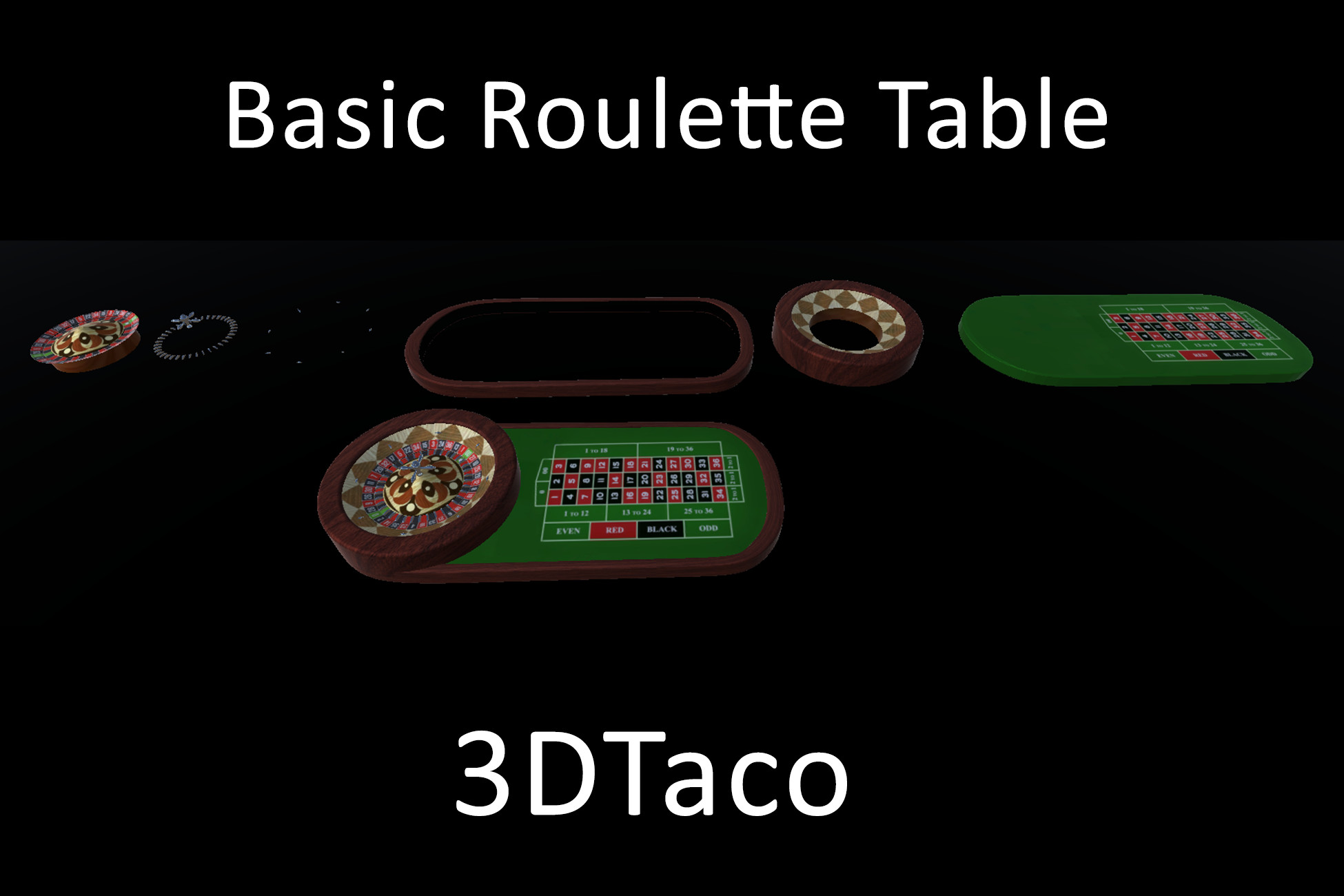
Me tomó un rato entender que no todas las apuestas tienen la misma frecuencia ni pagan igual. Apostar a rojo o negro parece sencillo, y lo es, pero el cero rompe esa aparente igualdad. Cuando la bola cae ahí, las apuestas externas normales pierden. Es una de esas reglas que conviene asumir antes de hacer clic, sin buscarle una excepción imaginaria.
| Tipo de apuesta | Números cubiertos | Pago habitual | Probabilidad aproximada |
|---|---|---|---|
| Rojo / negro | 18 | 1 a 1 | 48,65% |
| Docena | 12 | 2 a 1 | 32,43% |
| Pleno | 1 | 35 a 1 | 2,70% |
La ilusión de las rachas
El error que más fácilmente cometí fue mirar los últimos resultados y pensar que el negro “tocaba” después de varios rojos. Sé que suena obvio al explicarlo, pero en el momento una fila de colores convence bastante. Cada giro es independiente. La mesa puede mostrar cinco, ocho o diez rojos seguidos y no adquiere ninguna obligación de compensar nada.
Por eso prefiero establecer una cantidad fija antes de empezar. No es una estrategia para vencer a la ruleta, sino una forma de evitar que una sesión corta se convierta en una decisión impulsiva. La ventaja de la casa en la ruleta europea ronda el 2,70%, una cifra que no depende de lo acertada que parezca mi intuición esa noche.
Blackjack sin adornos innecesarios
El blackjack tiene un ritmo distinto. Aquí sí noto que mis decisiones influyen en el desarrollo de cada mano, aunque no eliminan la ventaja matemática del casino. El objetivo es acercarse a 21 sin pasarse y superar la mano del crupier. Las cartas del 2 al 10 valen su número, las figuras valen diez y el as puede contar como uno u once.
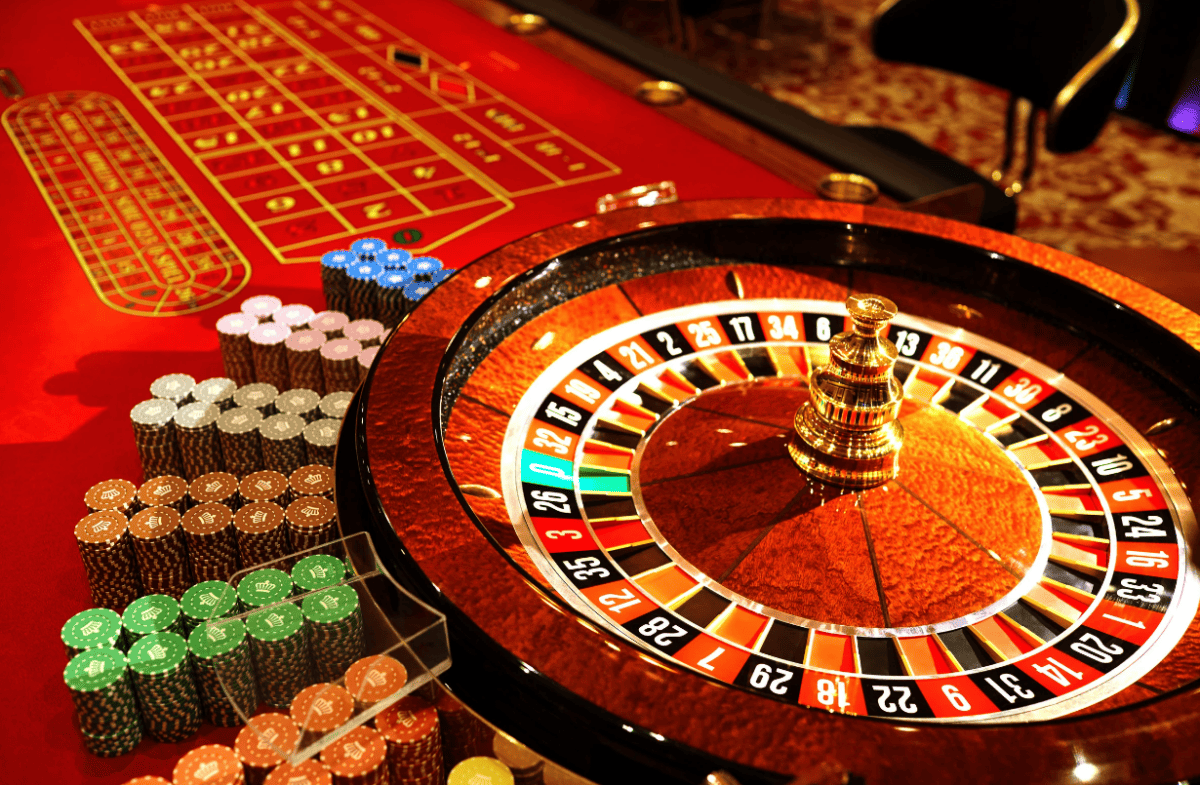
Mi pequeña manía es revisar las reglas de cada mesa antes de apostar. Algunas pagan el blackjack natural a 3:2, otras a 6:5, y esa diferencia modifica bastante el retorno potencial. También observo si el crupier pide carta con 17 blando o se planta. Son detalles menos llamativos que una animación de cartas, pero mucho más útiles.
La estrategia básica no es una promesa de ganancias. Es, sencillamente, una tabla de decisiones que reduce errores frente a jugar por sensaciones. A mí me ayudó especialmente con las manos de 12 a 16, esas que parecen incómodas casi siempre. Al principio quería plantarme en todas para no pasarme, pero eso no siempre es lo correcto ante una carta fuerte del crupier.
- Reviso el valor de mi mano y la carta visible del crupier antes de decidir.
- Evito perseguir una pérdida doblando apuestas sin un motivo concreto.
- Tomo el seguro con cautela, porque normalmente no ofrece una ventaja favorable para el jugador.
Incluso con una estrategia muy correcta, la varianza existe. Puede haber buenas manos y malas manos seguidas. Ese aspecto, quizá un poco frustrante, es justo lo que me recuerda mantener las apuestas moderadas.
Variantes tradicionales que merecen una mirada
Además de ruleta y blackjack, encontré otras opciones con reglas familiares. Baccarat, punto banco y algunas mesas de póker de casino suelen atraer a quienes prefieren comparaciones directas de manos. No diría que todas sean igual de intuitivas, pero varias tienen una mecánica muy limpia.
- Baccarat: se apuesta al jugador, a la banca o al empate, con reglas de reparto prácticamente automáticas.
- Punto banco: conserva la esencia del baccarat y resulta cómodo si no quiero tomar decisiones en cada carta.
- Casino Hold’em: añade más participación, ya que comparo mi mano con la del crupier y decido si continúo.
En baccarat, la apuesta a la banca suele tener una ventaja menor que la del jugador, aunque existe comisión cuando gana la banca. El empate paga más, sí, pero sus probabilidades son mucho peores. Me costó resistirme al número alto del pago las primeras veces, y luego entendí que ese brillo es precisamente lo que puede confundir.
| Juego | Decisión principal | Ventaja de la casa aproximada |
|---|---|---|
| Ruleta europea | Elegir cobertura y tipo de apuesta | 2,70% |
| Blackjack con estrategia básica | Pedir, plantarse, doblar o separar | Desde alrededor de 0,5% |
| Baccarat, apuesta a banca | Elegir banca, jugador o empate | Aprox. 1,06% |
Errores comunes que intento evitar
No hace falta jugar durante años para detectar algunos tropiezos repetidos. A veces el problema no es desconocer una regla, sino querer recuperar una pérdida demasiado rápido. En mi caso, el momento más incómodo fue aumentar una apuesta de ruleta porque “solo quería cerrar la sesión en positivo”. No funcionó, por supuesto, y fue una lección barata comparada con lo que podría haber sido.
- No confundir una racha con una señal matemática sobre la próxima ronda.
- No elegir una mesa sin revisar pagos, límites y reglas específicas.
- No jugar con dinero destinado a gastos importantes ni alargar una sesión por frustración.
- Definir un límite de tiempo y de presupuesto antes de empezar, y respetarlo incluso si la sesión va bien.
Los clásicos de mesa tienen una elegancia particular porque no necesitan demasiados elementos para mantener el interés. La ruleta invita a observar, el blackjack obliga a decidir y el baccarat ofrece una simplicidad que a veces se agradece. Yo sigo prefiriendo las mesas donde entiendo cada regla y cada pago, aunque eso no quite el componente de azar. Al final, jugar con calma, conocer las probabilidades y saber cuándo parar me parece la forma más sensata de disfrutar de estas variantes tradicionales.
Strategisches Spielverhalten und Langzeitplanung bei Brucebet Casino

Strategisches Spielverhalten bei Brucebet Casino
Inhaltsverzeichnis
Strategisches Spielverhalten und realistische Erwartungen
Bankroll planen statt impulsiv einzahlen
Typische Mythen rund um Slots und Casino-Strategien
Boni, Bedingungen und langfristige Entscheidungen
Wir haben uns Brucebet Casino nicht mit der Erwartung angesehen, eine sichere Gewinnmethode zu entdecken. Genau das wäre bei einem Online-Casino ohnehin der falsche Ansatz. Uns interessierte vielmehr, welche Entscheidungen das Spiel kontrollierter machen können, wo ein klarer Plan tatsächlich hilft und welche populären Tipps am Ende nur gut klingen. Beim Prüfen von Registrierung, Spielauswahl und allgemeinen Informationen zu bruce bet wurde schnell klar, dass Strategie hier weniger mit Geheimwissen als mit Selbstkontrolle zu tun hat.
Das klingt erst einmal nüchtern, vielleicht sogar etwas enttäuschend. Dennoch war unser Eindruck positiv: Wer sein Budget, seine Zeit und seine Erwartungen vor einer Session festlegt, spielt meist ruhiger. Das verändert nicht die mathematischen Gewinnchancen einzelner Runden. Es verändert aber die Art, wie man mit Verlusten, kleinen Gewinnen und spontanen Entscheidungen umgeht. Und genau dort entstehen erfahrungsgemäß die teuersten Fehler.
Bankroll als Grundlage für längere Spielphasen
Unter Bankroll verstehen wir schlicht den Betrag, der ausschließlich für Unterhaltung im Casino vorgesehen ist. Es ist kein Investitionskapital und sollte auch nie wie eines behandelt werden. Diese Trennung wirkt banal, aber bei unserem Vergleich verschiedener Spielverhalten zeigte sie sich als der praktischste Unterschied zwischen einer entspannten Session und einer, die nach kurzer Zeit aus dem Ruder läuft.
Eine langfristige Planung beginnt deshalb nicht mit der Frage, welches Spiel heute „heiß“ sein könnte. Sie beginnt mit einer konkreten Grenze. Wir fanden es sinnvoll, ein Monatsbudget festzulegen und daraus kleine Einzelbudgets abzuleiten. So wird eine einzelne Abendsession nicht ungewollt zum Versuch, frühere Verluste wieder auszugleichen.
Die Einsatzhöhe muss zur Spielzeit passen
Ein zu hoher Einsatz kann selbst ein vernünftiges Gesamtbudget erstaunlich schnell aufbrauchen. Gerade bei Slots mit schnellen Spielrunden merkt man den Abfluss oft erst nach einigen Minuten. Bei unserem Test wirkte eine zurückhaltende Einsatzhöhe deutlich angenehmer, weil sie mehr Raum für Schwankungen ließ. Das ist kein Trick für Gewinne, sondern eine Methode, die Spielzeit besser einzuteilen.
Wir würden die Einsatzgröße immer vom verfügbaren Session-Budget ableiten, nicht vom Wunschgewinn. Wer beispielsweise 30 Euro für einen Abend einplant und daraus sofort mehrere Euro pro Drehung macht, verkürzt die eigene Entscheidungszeit drastisch. Kleine Einsätze geben keine bessere Auszahlungsquote, aber sie reduzieren das Risiko, dass ein einzelner kurzer Negativlauf alles beendet.
- Ein festes Budget für den Monat bestimmen, das im Alltag nicht fehlt.
- Dieses Budget in kleinere Session-Beträge aufteilen.
- Vor dem Start eine maximale Einsatzhöhe festlegen.
- Bei Erreichen des Limits nicht nachzahlen, auch wenn die letzte Runde knapp wirkte.
Diese Reihenfolge ist nicht spektakulär. Gerade deshalb ist sie brauchbar. Wir haben bei der Betrachtung typischer Casino-Sessions gemerkt, dass ein Plan nur funktioniert, wenn er schon vor dem ersten Spin steht. Während einer Verlustphase ist die eigene Einschätzung häufig weniger objektiv, als man denkt.
Zeitlimits sind fast genauso wichtig wie Geldlimits
Bankroll-Management wird oft nur auf Geld reduziert. Wir sehen das etwas anders. Ein Zeitlimit schützt ebenfalls vor unüberlegtem Spiel, besonders bei mobilen Casino-Angeboten. Zwei kurze Pausen während einer Session können helfen, die Lage nüchtern zu bewerten. Hat sich der Einsatz verändert? Wird noch aus Unterhaltung gespielt oder schon aus Frust? Diese Fragen sind nicht besonders angenehm, aber sinnvoll.
Bei Brucebet Casino lässt sich die große Auswahl an Slots, Live-Casino-Spielen und weiteren Bereichen leicht als Einladung verstehen, immer noch eine weitere Runde anzuhängen. Das ist vermutlich der Moment, in dem eine vorher festgelegte Zeitgrenze am meisten wert ist. Wir würden sie nicht als starres Gesetz betrachten, eher als klare Leitplanke.
Mythen, die sich erstaunlich hartnäckig halten
Viele Strategietipps rund um Online-Casinos beruhen auf Mustern, die wir Menschen gern erkennen möchten. Nach zehn verlorenen Spins fühlt es sich plausibel an, dass nun bald ein Gewinn fällig sein müsse. Mathematisch ist das bei einem Zufallsspiel jedoch keine belastbare Annahme. Jeder neue Spin ist im Normalfall ein neues Ereignis, nicht die Fortsetzung einer Geschichte, die das Spiel „ausgleichen“ muss.
Besonders oft begegnet uns die Vorstellung, ein Slot sei nach einer langen Verlustserie zwangsläufig „dran“. Das kann man im Gespräch am Bildschirm schnell glauben, vor allem wenn andere Spieler es behaupten. Ein kurzer Blick auf die Spielmechanik genügt aber: Ein Zufallsgenerator speichert nicht, wie viel eine einzelne Person zuvor verloren hat. Die Vergangenheit erzeugt keinen Anspruch auf die nächste Auszahlung.
Progressionssysteme wirken logisch, erhöhen aber den Druck
Auch Einsatzsteigerungen nach Verlusten, etwa das Verdoppeln des Einsatzes, werden oft als Strategie verkauft. Wir sehen darin eher ein Risikomodell. Theoretisch kann eine einzelne Gewinnrunde vorherige Verluste auffangen. Praktisch reichen wenige verlorene Runden, um die benötigten Einsätze sehr groß werden zu lassen. Dazu kommen Einsatzlimits und ein begrenztes Budget. Das System scheitert also nicht nur an der Theorie, sondern oft schlicht an der Realität.
- „Nach vielen Verlusten muss jetzt ein Gewinn kommen.“ Das ist bei zufallsbasierten Spielen ein Mythos.
- „Ein höherer Einsatz verbessert die Chance auf einen Treffer.“ Er erhöht vor allem den Geldbetrag pro Runde.
- „Fast gewonnen bedeutet, der nächste Spin zahlt aus.“ Beinahe-Treffer sind kein verlässliches Signal.
- „Ein Bonus macht jedes Spiel automatisch profitabel.“ Entscheidend bleiben Umsatzbedingungen, Spielbeiträge und Limits.
Was tatsächlich hilft, ist ein realistischer Blick auf Begriffe wie RTP. Eine höhere theoretische Rückzahlungsquote kann bei vielen sehr vielen Runden statistisch vorteilhafter sein als eine niedrigere. Sie garantiert aber keinen Gewinn in einer konkreten Session. Diese Einschränkung ist wichtig. Wir würden RTP als Auswahlkriterium nutzen, nicht als Versprechen.
Boni mit einem kühlen Kopf betrachten
Willkommensangebote, Freispiele und Einzahlungsboni können eine Session verlängern. Sie sind aber kein kostenloses Geld im üblichen Sinn. Bei unserer Prüfung von Casino-Boni achten wir zuerst auf Umsatzvorgaben, maximalen Einsatz während des Bonusspiels, Fristen und die Frage, welche Spiele überhaupt zum Umsatz beitragen. Diese Details entscheiden darüber, ob ein Angebot zum eigenen Spielstil passt.
Manchmal ist ein kleinerer Bonus mit verständlichen Bedingungen praktischer als ein sehr hoher Betrag mit einer langen Umsatzanforderung. Hier gibt es keine allgemeine Antwort. Wer nur gelegentlich spielt und kurze Sessions bevorzugt, wird mit umfangreichen Boni samt enger Frist eventuell wenig anfangen können. Wer Bedingungen übersieht, handelt nicht strategisch, sondern startet mit einem Nachteil.
Einzahlungen sollten nicht aus dem Moment heraus entstehen
Die verfügbaren Zahlungswege und die Geschwindigkeit einer Einzahlung können sehr bequem sein. Genau deshalb ist es sinnvoll, vorher eine Entscheidung zu treffen. Wir fanden den Gedanken hilfreich, Einzahlungen als Teil des Monatsplans zu sehen und nicht als Reaktion auf eine schwache Runde. Eine erneute Einzahlung verändert nicht die Wahrscheinlichkeit des nächsten Spiels, sie erhöht nur den Betrag, der im Umlauf ist.
Bei Auszahlungen gilt ähnliches. Wer einen vorher definierten Gewinnbetrag erreicht, kann einen Teil sichern, statt alles direkt weiterzuspielen. Das ist keine Pflicht und kein Garant für ein gutes Ergebnis. Dennoch ist es eine vernünftige Möglichkeit, einen kleinen Erfolg nicht sofort wieder in die nächste Schwankung zu geben.
Unser praktischer Eindruck: Kontrolle fühlt sich weniger spannend an, ist aber besser

Als kleines Redaktionsteam haben wir unterschiedliche Herangehensweisen gedanklich durchgespielt und miteinander verglichen. Die impulsive Variante, also häufige Wechsel zwischen Spielen, steigende Einsätze und das Jagen nach Verlusten, fühlt sich kurzfristig oft aktiver an. Sie erzeugt auch das Gefühl, etwas „zu tun“. Unser Eindruck war aber klar: Sie führt selten zu besseren Entscheidungen.
Die ruhigere Variante ist weniger dramatisch. Spiel auswählen, Regeln ansehen, Einsatz festlegen, Budget und Zeit im Blick behalten. Vielleicht klingt das fast zu vorsichtig für ein Casino. Aber langfristige Planung bedeutet in diesem Umfeld eben nicht, den Zufall zu besiegen. Sie bedeutet, sich selbst nicht vom Zufall lenken zu lassen.
Wir würden außerdem empfehlen, Spiele nicht nur nach auffälligen Jackpots oder Animationen auszuwählen. Volatilität, Einsatzbereich, RTP-Angaben und persönliche Vorlieben gehören zusammen. Ein Spiel mit hoher Volatilität kann längere Phasen ohne nennenswerte Treffer haben, während andere Titel kleinere Ergebnisse häufiger zeigen. Keines davon ist automatisch besser. Es sollte nur zum Budget und zur eigenen Geduld passen.
FAQ
Gibt es eine sichere Strategie für Gewinne bei Brucebet Casino?
Nein. Casino-Spiele bleiben Glücksspiele, und keine Strategie kann Gewinne garantieren. Sinnvoll sind vor allem Budgetgrenzen, Zeitlimits und ein bewusster Umgang mit Bonusbedingungen.
Hilft es, nach einem Verlust den Einsatz zu verdoppeln?
Wir würden davon abraten. Eine solche Progression kann Einsätze sehr schnell erhöhen und das verfügbare Budget in kurzer Zeit belasten. Sie verändert außerdem nicht die Gewinnwahrscheinlichkeit der nächsten Runde.
Wie wählen wir ein passendes Slot-Spiel aus?
Wir achten auf Informationen zu RTP, Volatilität, Einsatzspanne und Spieltempo. Wer ein begrenztes Budget hat, profitiert meist mehr von einem Einsatzniveau, das längere Spielzeit ermöglicht, als von großen Einzelwetten.
Sind Boni immer sinnvoll?
Nicht automatisch. Ein Bonus kann interessant sein, wenn Umsatzbedingungen, Fristen und Einsatzlimits zum eigenen Spielverhalten passen. Wer die Bedingungen nicht realistisch erfüllen möchte, fährt ohne Bonus manchmal einfacher und übersichtlicher.
Am Ende bleibt unser Eindruck bewusst unaufgeregt: Eine gute Casino-Planung schützt nicht vor Verlusten und macht aus Glücksspiel keine Geldanlage. Sie kann aber dabei helfen, Entscheidungen nachvollziehbar zu halten, Pausen ernst zu nehmen und Unterhaltung nicht mit einer vermeintlich kontrollierbaren Gewinnchance zu verwechseln.
Mobile Spieloptionen vergleichen und die beste Browser-Performance finden

Mobile Spieloptionen vergleichen und die beste Browser-Performance finden
Wer ein Online-Casino überwiegend am Smartphone nutzt, bewertet eine Plattform etwas anders als am großen Bildschirm. Auf dem Desktop fällt eine langsame Menüleiste vielleicht kaum auf. Mobil kann dieselbe Verzögerung schon dazu führen, dass wir die Seite schließen, bevor ein Slot überhaupt geladen ist. In unserem gemeinsamen Test haben wir deshalb nicht nur Spielauswahl und Bonusbedingungen betrachtet, sondern vor allem die Frage gestellt: Was funktioniert im mobilen Browser wirklich verlässlich, und was klingt nur in der Werbung gut?
Für den Vergleich haben wir mehrere Casino-Seiten auf Android- und iOS-Geräten geöffnet, mit WLAN und mobiler Datenverbindung gespielt und sowohl kurze Sitzungen als auch längere Abende simuliert. Plattformen wie das Betlabel casino zeigen dabei recht gut, worauf es heute ankommt: Die Seite muss nicht spektakulär aussehen, sie sollte vor allem ohne Reibung laufen. Gerade beim Wechsel vom Startbereich zum Spiel, bei der Anmeldung oder beim Aufrufen der Kasse trennt sich oft die saubere Mobilseite von der hübschen, aber anstrengenden Variante.
Unser Eindruck war etwas gemischt. Moderne Browser-Casinos sind inzwischen erstaunlich weit, aber sie verzeihen schwache Verbindungen, alte Geräte oder zu viele offene Tabs nicht immer. Manchmal liegt die Ursache beim Casino, manchmal beim Handy selbst. Und gelegentlich bleibt es schwer zu sagen, woran es genau lag. Deshalb haben wir nicht nur auf einen einzelnen Ladeversuch vertraut.
Wie wir mobile Casino-Seiten geprüft haben
Unser Test war bewusst alltagsnah. Niemand öffnet ein Casino immer unter perfekten Bedingungen mit neuestem Smartphone, schnellem Heimnetz und leerem Zwischenspeicher. Wir haben unterschiedliche Displays, Browser und Verbindungstypen einbezogen. Dabei ging es nicht darum, jede Millisekunde wissenschaftlich zu messen. Wichtiger war die praktische Erfahrung: Können wir uns orientieren? Lädt ein Spiel ohne mehrmaliges Antippen? Kommen wir bei einer Einzahlung durch, ohne dass ein Fenster verschwindet?
Besonders genau haben wir die kleinen Übergänge beobachtet. Viele Seiten laden die Startseite zügig, brauchen dann aber auffallend lange, um die Lobby eines Spieleherstellers zu öffnen. Das ist für Spieler relevant, weil die Zeit zwischen Entscheidung und Spielbeginn über die gefühlte Qualität entscheidet. Ein gutes mobiles Casino macht diese Schritte fast unsichtbar.
| Testbereich | Worauf wir geachtet haben | Warum es mobil zählt |
|---|---|---|
| Startseite | Ladezeit, Banner, Menüs | Der erste Eindruck entscheidet schnell über den Abbruch |
| Spielelobby | Suche, Filter, Spielstart | Kleine Displays brauchen klare Wege statt endloser Kacheln |
| Konto und Kasse | Login, Verifizierung, Zahlungsmethoden | Formulare sind auf dem Handy besonders fehleranfällig |
| Stabilität | Tab-Wechsel, Verbindungswechsel, Rückkehr ins Spiel | Unterbrechungen passieren unterwegs häufiger als am Desktop |
Wir haben außerdem darauf geachtet, ob sich die Seite nach einer kurzen Unterbrechung sinnvoll verhält. Ein eingehender Anruf, eine Nachricht oder der Wechsel zur Banking-App sind normale Situationen. Wenn nach der Rückkehr nur ein leerer Bildschirm erscheint, ist das kein kleines Detail. Bei Echtgeldspielen wollen wir immer klar sehen, ob eine Runde beendet wurde und welcher Kontostand aktuell gilt.
Browser oder Casino-App, der Vergleich im Alltag
Viele Spieler vermuten zunächst, dass eine App grundsätzlich besser laufen muss. Das kann stimmen, zwingend ist es aber nicht. Gute mobile Webseiten nutzen heute responsive Layouts, speichern bestimmte Inhalte im Cache und starten HTML5-Slots oft ohne sichtbaren Unterschied zur App. Auf unseren neueren Geräten fühlten sich einige Browser-Versionen sogar aufgeräumter an, weil sie keine zusätzlichen Berechtigungen verlangten und direkt über einen gespeicherten Link erreichbar waren.
Die App hat dagegen ihre Stärken, wenn sie wirklich gepflegt wird. Push-Mitteilungen, biometrischer Login oder ein dauerhaft eingeloggter Bereich können bequem sein. Trotzdem waren wir vorsichtig mit Benachrichtigungen. Ein Casino sollte nicht dauernd zum Spielen auffordern, nur weil gerade ein Bonus läuft. Gerade wer sein Budget im Blick behalten möchte, profitiert eher von Ruhe als von ständigem Druck.
Wann der Browser die bessere Wahl ist
Der Browser gewinnt für uns, wenn eine Plattform ohne Installation schnell erreichbar sein soll. Das gilt besonders bei gelegentlichem Spielen oder beim ersten Prüfen eines neuen Anbieters. Wir konnten uns die Lizenzangaben, Bonusregeln und Zahlungsbedingungen ansehen, bevor wir überhaupt ein Konto erstellt haben. Bei einer App ist dieser Weg zwar auch möglich, aber oft wird früher zur Registrierung gedrängt.
Ein weiterer Vorteil ist die Flexibilität. Safari, Chrome, Firefox oder Samsung Internet verhalten sich nicht völlig gleich, aber wir konnten unkompliziert wechseln, wenn ein Spielanbieter Probleme machte. Das klingt banal. In der Praxis hat es uns mehr als einmal geholfen, wenn ein Live-Tisch in einem Browser stockte, im anderen jedoch normal lief.
- Der Browser eignet sich gut für schnelle Tests und seltene Spielrunden.
- Keine Installation bedeutet weniger Speicherverbrauch auf dem Gerät.
- Ein Anbieterwechsel ist unkompliziert, weil kein App-Store dazwischensteht.
- Aktualisierungen passieren meist im Hintergrund, sobald die Seite neu geladen wird.
Wo Apps trotzdem angenehmer sein können
Bei längeren Sitzungen kann eine gut gebaute App stabiler wirken, vor allem wenn sie Spielsitzungen sauber wiederherstellt. Wir haben aber auch Gegenbeispiele gesehen: Apps mit großen Updates, schwer nachvollziehbaren Abstürzen oder überladenen Startseiten. Der bloße Hinweis „App verfügbar“ reicht also nicht als Qualitätsmerkmal. Entscheidend bleibt, ob sie auf dem eigenen Gerät ruhig, klar und ohne unnötige Unterbrechungen läuft.
Etwas unterschätzt wird die Akkulaufzeit. Live-Casino-Streams, animierte Slots und dauerhaft aktive Apps belasten ein Smartphone erheblich. Nach einer längeren Runde mit Video-Dealer war der Akkustand bei mehreren Geräten merklich niedriger. Das ist kein Argument gegen Live-Spiele, eher ein praktischer Hinweis. Unterwegs ohne Ladegerät würden wir eher kurze Runden wählen oder vorher auf WLAN und Akku achten.
Browser-Performance, die wirklich spürbar wird

Bei der Performance zählt nicht nur die gemessene Ladezeit. Eine Casino-Seite kann technisch schnell laden und sich dennoch schwerfällig anfühlen, wenn Werbebanner nachspringen, Menüs beim Scrollen zucken oder Spielkacheln verspätet erscheinen. Unsere beste Erfahrung hatten wir mit Seiten, die zunächst die wichtigen Elemente anzeigen: Login, Suche, Kategorien und eine überschaubare Auswahl an Spielen. Große Animationen können warten, wenn überhaupt.
Der Browser-Cache hilft spürbar. Beim zweiten oder dritten Aufruf lief manche Seite deutlich flüssiger. Das sollte allerdings kein Grund sein, eine sehr langsame erste Sitzung zu entschuldigen. Neue Spieler haben diesen Cache nicht. Wenn Registrierung oder Bonusübersicht schon beim ersten Besuch hängen, wirkt das schnell unseriös, auch wenn die technische Erklärung harmlos sein mag.
Ein kleines, aber nützliches Detail war die Lesbarkeit der Buttons. Auf dem Smartphone reicht es nicht, dass eine Schaltfläche sichtbar ist. Sie muss auch mit dem Daumen gut erreichbar sein, ohne dass wir versehentlich auf einen Nachbarbereich tippen. Besonders im Kassenbereich und bei den Grenzen für Einzahlungen sollte alles ruhig und eindeutig angeordnet sein.
| Situation | Gute mobile Umsetzung | Warnsignal im Test |
|---|---|---|
| Spielsuche | Suchfeld sofort sichtbar, Treffer ohne neue Seite | Tastatur verdeckt Treffer oder Suche reagiert verzögert |
| Slot starten | Ladeanzeige, klare Rückkehr zur Lobby | Weißer Bildschirm oder mehrfaches Neuladen |
| Live-Casino | Anpassbare Videoqualität, deutlicher Tischstatus | Ton und Bild laufen auseinander, Einsatzfenster friert ein |
| Einzahlung | Weiterleitung öffnet sicher und kehrt nachvollziehbar zurück | Unklare Rückmeldung nach dem Zahlungsfenster |
Slots, Tischspiele und Live-Casino auf kleinem Display
Slots sind im Browser meist die unkomplizierteste Kategorie. Moderne HTML5-Spiele passen sich recht gut an Hoch- und Querformat an, und die großen Bedienelemente lassen sich meist sauber treffen. Trotzdem gibt es Unterschiede. Manche Anbieter verkleinern das Spiel sinnvoll, andere drücken zu viele Informationen auf einmal in die Ansicht. Dann sehen wir Freispiele, Gewinnlinien, Einsätze und Menüs gleichzeitig, aber nichts davon richtig angenehm.
Bei Tischspielen wie Roulette oder Blackjack ist die Oberfläche wichtiger als bei Slots. Einsätze müssen klar erkennbar sein, und die Bestätigung darf nicht im falschen Moment verschwinden. Wir mochten Seiten, die vor dem endgültigen Setzen noch einmal einen deutlichen Überblick zeigen. Das kostet vielleicht einen Klick mehr, verhindert aber Fehler, besonders wenn man unterwegs abgelenkt wird.
Live-Spiele fordern Verbindung und Gerät
Live-Casino ist mobil attraktiv, weil es direkter wirkt, aber technisch auch anspruchsvoller. Hier treffen Videostream, Chat, Spieloberfläche und Zeitdruck aufeinander. Im stabilen WLAN lief das bei uns überwiegend gut. Im mobilen Netz kam es dagegen je nach Standort zu kurzen Aussetzern. Nicht jede Verzögerung ist dramatisch, aber wenn das Einsatzfenster genau dann schließt, wird es unerquicklich.
Wir würden deshalb bei Live-Angeboten darauf achten, ob die Videoqualität anpassbar ist und ob das Casino sichtbar meldet, wenn die Verbindung schwach wird. Ein kleiner Hinweis ist hilfreicher als ein stillstehendes Bild. Der Begriff Latenz wirkt technisch, beschreibt aber sehr konkret, warum sich eine Runde manchmal träge anfühlt.
- Für Slots reicht oft eine durchschnittliche Verbindung aus.
- Live-Casino profitiert deutlich von stabilem WLAN oder gutem 5G-Netz.
- Querformat kann bei Roulette und Blackjack mehr Übersicht schaffen.
- Wer unterwegs spielt, sollte auf Datenvolumen und Akkustand achten.
Registrierung, Boni und Zahlungen am Smartphone
Der mobile Registrierungsprozess war in unserem Vergleich einer der deutlichsten Qualitätsindikatoren. Gute Casinos fragen nur die notwendigen Daten ab, erklären den nächsten Schritt verständlich und lassen sich mit Passwortmanager oder biometrischer Bestätigung kombinieren. Schlechte Formulare verlangen dagegen viele Eingaben auf mehreren Seiten, ohne dass klar wird, wie weit man bereits ist. Das kostet Geduld, und vielleicht zu Recht.
Bei Boni gilt auf dem Handy dasselbe wie am Desktop, die Bedingungen sollten lesbar und erreichbar sein. Wir fanden es problematisch, wenn eine Bonuskarte groß und auffällig erscheint, die Umsatzbedingungen aber nur über mehrere kleine Links erreichbar sind. Ein fairer Anbieter versteckt wichtige Angaben nicht. Dazu gehören Mindesteinzahlung, Ablaufzeit, erlaubte Spiele, mögliche Einsatzgrenzen und Regeln für eine Auszahlung.
Zahlungen liefen am angenehmsten, wenn bekannte Methoden direkt in die mobile Ansicht integriert waren. E-Wallets, Karten und Sofortbanking können schnell sein, aber die Rückkehr vom Zahlungsdienst zum Casino muss sauber funktionieren. Nach einer erfolgreichen Bestätigung wollen wir einen aktualisierten Kontostand sehen, nicht rätseln, ob die Buchung noch verarbeitet wird. Bei Unsicherheit würden wir keine zweite Einzahlung auslösen, sondern zuerst den Verlauf und gegebenenfalls den Support prüfen.
Was am Handy typischerweise nicht gut funktioniert
Einige Probleme tauchten in verschiedenen Formen immer wieder auf. Das häufigste war nicht einmal ein kompletter Absturz, sondern eine halbfertige Seite. Ein Menü öffnet sich, lässt sich aber nicht schließen. Ein Spiel lädt, reagiert jedoch nicht auf Berührungen. Oder nach einem Browser-Wechsel erscheint eine Sicherheitsabfrage in einer Endlosschleife. Solche Fehler passieren selten genau dann, wenn man sie dokumentieren möchte, aber im Alltag bleiben sie hängen.
Auch Pop-ups waren ein Thema. Cookies, Bonusangebote, Altersabfragen und Chatfenster können nötig sein, nur sollten sie nicht gleichzeitig über dem Inhalt liegen. Auf einem kleinen Bildschirm bleibt dann manchmal kaum noch Fläche übrig. Wir bewerten ein Casino besser, wenn Hinweise nacheinander erscheinen und sich eindeutig schließen lassen.
- Vor dem Einloggen Browser und Betriebssystem aktualisieren.
- Bei Ladeproblemen einen Tab schließen und die Casino-Seite neu starten.
- Bei Live-Spielen möglichst eine stabile Verbindung wählen.
- Vor einer Einzahlung prüfen, ob die gewünschte Zahlungsart mobil unterstützt wird.
- Bei unklarem Spielstatus nicht mehrfach tippen, sondern erst die Anzeige abwarten.
Ein weiteres Problem sind überladene Bonusseiten. Ein Bonus ist kein Qualitätsbeweis, wenn die Aktivierung mobil komplizierter ist als das eigentliche Spielen. Wir bevorzugen einen klaren Bereich im Konto, in dem aktivierte Angebote, Fristen und Bedingungen zusammenstehen. Das ist auch beim verantwortungsvollen Spielen wichtig, denn nur wer die Regeln sieht, kann eine informierte Entscheidung treffen.
Unsere Auswahlhilfe für ein gutes mobiles Online-Casino
Nach den gemeinsamen Tests würden wir ein mobiles Casino nicht allein wegen einer riesigen Spielbibliothek auswählen. Tausende Slots helfen wenig, wenn Suche, Filter und Ladezeiten mühsam sind. Sinnvoller ist eine Plattform, die eine vernünftige Auswahl schnell zugänglich macht und bei den wichtigen Abläufen keine Fragen offenlässt. Das klingt weniger aufregend als ein großer Willkommensbonus, aber auf dem Telefon ist Verlässlichkeit der eigentliche Luxus.
Unsere besten Browser-Erfahrungen hatten wir dort, wo die Seite ihre Grenzen kennt. Nicht jede Ecke muss animiert sein. Nicht jede Promotion muss beim Öffnen aufspringen. Und nicht jede Information braucht eine eigene Unterseite. Klare Kategorien, eine gute Suche, sichtbare Kontoeinstellungen und ein stabiler Zahlungsbereich reichen schon weit.
Wir würden neuen Spielern raten, zunächst ohne Einzahlung zu prüfen, wie sich die Seite anfühlt. Lassen sich Spiele im Demomodus öffnen, ist die Navigation verständlich, und sind die Bedingungen gut lesbar? Erst danach lohnt sich der Blick auf Zahlungsmethoden oder Boni. Wer spielt, sollte außerdem vorher ein persönliches Limit festlegen und Pausen einplanen. Mobile Casinos sind bequem, vielleicht manchmal zu bequem, weil sie immer griffbereit sind.
Am Ende bleibt unser Eindruck recht klar: Der mobile Browser ist heute für viele Casino-Angebote völlig ausreichend, wenn die Plattform technisch sauber umgesetzt wurde. Eine App kann zusätzliche Bequemlichkeit bringen, ist aber nicht automatisch besser. Entscheidend sind schnelle Übergänge, stabile Spiele, transparente Zahlungen und eine Oberfläche, die auch auf einem kleinen Display ruhig bleibt. Wenn diese Punkte stimmen, macht das Spielen am Handy deutlich weniger Arbeit, und genau das sollte es ja auch.