Author: Rushi Patel

  • Untitled

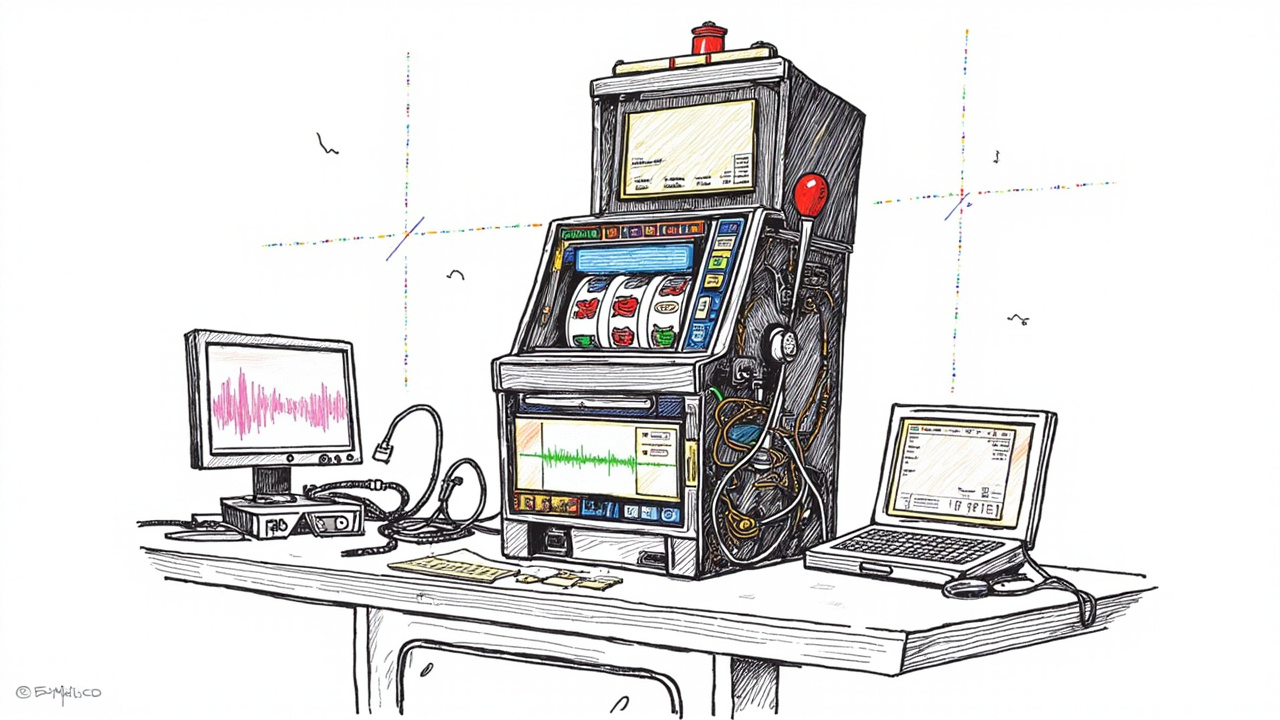
    Understanding megaways pokies how they work is less about chasing a big win and more about reading the mechanics behind the reels. The reel modifier changes symbol counts per spin, which shifts volatility and hit frequency in ways that surprise casual players. In Australia, where gambling regulation stays tight and offshore sites sit outside local oversight, knowing the difference between a licensed interface and a random number generator matters before you deposit. I have spent twenty-five years watching domain traffic and affiliate funnels in this space, and the pattern is consistent: clear mechanics beat glossy promises every time.

    The reel structure behind the spin

    The core idea is straightforward. A standard pokies reel might hold ten symbols per position, but this format multiplies that across a cascading grid. Each reel can land a different number of symbols, so the total ways to win shift with every spin rather than staying fixed. That is the part players often miss when they chase a bonus round without checking the paytable first.

    The grid expands and contracts, which means a winning combination can disappear and make room for new symbols to drop into place. That cascade mechanic keeps the screen active, but it also means the volatility can swing hard from one session to the next. I have seen the same pattern in affiliate funnels overseas, where operators in the UK and Europe often publish explicit volatility ratings and hit-frequency ranges in the help files, while Australian-facing sites tend to keep that detail buried unless the licence demands it. Here, the focus stays on the interface and the bonus terms rather than the underlying math, so players who want a clearer read on risk usually need to look past the marketing copy.

    A few practical points matter before you spin:

    • check the maximum symbol count per reel, because that sets the ceiling for total ways to win
    • read the bet-per-line structure, since a single spin can cost more than a fixed-reel game at the same stake plinko online
    • note whether the free-spin round multiplies ways or just adds extra spins, because the two do not produce the same return profile
    • confirm the game is served through a provider with a published RTP range, not just a branded wrapper

    Those details separate a game you can read from one you are just guessing at.

    What changes for the player on the floor

    The experience on a mobile screen or a desktop browser changes when the grid keeps shifting. You are not watching a static payline grid, so the eye has to track a wider set of possible wins, and the pace of the cascade can make a losing spin feel closer to a hit than it really is. That visual rhythm is part of the design, and it is worth treating it as design rather than as a signal about your next bet.

    Account controls and support matter more when the screen is doing more of the talking. A properly set up account should let you set deposit limits, session reminders, and self-exclusion windows without hunting through three different menus. Support should be reachable through a clear channel, not just a contact form that replies in two business days. Privacy handling should be visible in the terms, especially if the site stores device fingerprints or play history for responsible-gaming flags. I have reviewed enough affiliate landing pages to know that the sites worth trusting usually spell those controls out in plain language rather than hiding them behind a generic fairness promise.

    Benjamin Clarke, Product Analytics Lead, Harbour Bet Insights, puts it plainly: the reel modifier is a volatility tool first and a visual feature second, so players who treat it like a bonus trigger end up misreading their own session data. Как работает формат Craps Megaways и

    Andrew Walker, Gaming Technology Consultant, Kangaroo Point Analytics, adds a caveat that fits the local context: the math behind the grid does not change with the interface, so a polished mobile layout is not a substitute for a published return range and a licence you can actually verify.

    Matching the format to how you actually play

    If you are playing for a short session in an Adelaide pub on a Tuesday arvo, the cascade pace and bet scaling matter more than the theoretical ceiling of the grid. If you are sitting at a desk and tracking a longer session, the volatility and the bonus terms matter more than the animation. The same game can feel completely different depending on whether you are treating it as a quick bit of entertainment or a structured session with limits in place.

    That is where the trust side of the setup comes in. A site that handles registration cleanly, keeps currency and payment details consistent, and makes support easy to reach is worth more than one that drapes the same mechanics in louder branding. Loyalty points and bonus mechanics can be useful, but only if the wagering terms are readable and the currency you deposit in is the one you withdraw in. I have seen too many funnels where the bonus looks generous until you hit the play-through requirement, so the practical call is to treat any bonus as a conditional add-on rather than the main event.

    The right fit is the one that matches your limits, your device, and your tolerance for variance, not the one with the flashiest grid.

    The format rewards players who read the paytable, set their limits before the first spin, and treat the cascade as entertainment rather than a forecast. If the site publishes its controls clearly, keeps support reachable, and serves the game through a provider with a verifiable return range, the mechanics make more sense as a session choice. If any of those pieces are vague, the reel modifier is still the same game, just harder to read.


  • Australian Players and Irish Pokies Online Design Priorities

    Irish pokies online have always leaned on a different set of priorities than the loud, high-contrast feeds most operators push to Aussie players. From an art-direction standpoint, that matters because the visual language shapes how people actually read a screen before they tap spin. I’ve spent years looking at how Playtech balances symbol weight, payline clarity, and background depth so a reel doesn’t fight the eye, and that same discipline shows up when an Irish-facing room treats its library as a curated set rather than a wall of banners. For a Hobart punter logging in on a wet arvo, the difference between a cluttered lobby and a calm one is the difference between staying a few minutes or closing the tab.

    What the library is actually built around

    The room positions itself as a slower, more readable alternative, so the game grid is organised by visual mood and mechanic family rather than by raw volatility labels or aggressive bonus tags. You’ll find a stable mix of licensed fruit and classic-style titles alongside video slots with cleaner symbol sets, and the provider roster is kept tight enough that the art direction stays consistent across the screen. That consistency is the kind of call I’d compare directly to how Playtech handles a premium tier: the studio doesn’t just stack bright fills and hope the eye sorts it out, it sets a hierarchy so bonus icons, paylines, and active lines read in a deliberate order.

    A short list of what tends to matter most when you’re judging the presentation side:

    The table below shows how the library split usually looks when the room sticks to its own priorities rather than chasing a crowded feed.

    Section Focus What it changes for the eye
    Classic fruit Familiar symbols, simpler frame Faster read on a phone, less visual noise
    Video slots Themed art, layered backgrounds More mood, but still controlled contrast
    Bonus-led titles Free-round triggers, pick features Clearer entry points for the feature
    Low-stake drift Smaller bet ranges, calmer pace Easier to settle into a session

    First session, signup, and how the bonus actually starts

    Registration is straightforward enough that it doesn’t turn into a paperwork exercise, but it still asks for the usual eligibility check and identity details before you can move past the lobby. The flow asks for the basics, then moves into verification so the account is properly set up before any first deposit touches it. That order matters from a design perspective too, because a rushed signup screen with too many fields competing for attention tends to make people second-guess the room before they’ve even seen a reel. I’d rather see a clean, single-column form that asks for one thing at a time than a dense block that feels like it’s trying to outpace the player.

    Once the account is through, the first deposit is where the bonus mechanics come into play, and the activation step is presented as a choice rather than something that silently attaches itself. The room keeps the bonus terms visible in plain language, with wagering expectations and game contributions laid out so you can see what you’re actually stepping into. For a first session, that kind of clarity is more useful than a flashy welcome graphic that hides the conditions behind a wall of marketing copy. Payment options are built around a mix of familiar methods and a couple of crypto paths, and if you want to read more about how a casino pays out through bitcoin, the speed, rules, and platform choice are worth a proper look before you commit.

    How the screen holds up when you’re actually playing

    The mobile presentation is where the room earns or loses its point, because a lot of Aussie players are going to be sitting in a car park, on a break, or at the kitchen table with a phone in hand. The reel area keeps enough breathing room around it so touch targets don’t crowd the action, and the bet controls sit where they’re easy to reach without dragging the eye away from the symbols. That’s the sort of layout judgement I’d compare directly to a well-run Playtech build, where the art team thinks about the hand as much as the eye and keeps the interactive zone from turning into a cluttered strip of buttons.

    Support and loyalty are treated as part of the same player-facing design rather than as separate departments shouting at each other. The help options are easy to find without being shoved in your face, and the loyalty side is built around steady participation rather than a loud points race. Currency handling stays consistent across the account, and the room keeps its limits and balance display in the same visual lane so you’re not relearning the screen every time you switch from one title to another. For a Hobart local playing after work, that kind of continuity is what makes a session feel settled instead of like you’ve landed in a different interface every time you tap another game.

    So the real question is this: if you had to pick one thing that matters more in a pokies screen, would it be the art direction that makes the reels easy to read, or the bonus structure that tells you exactly what you’re stepping into?

  • How to bet on roulette without guessing at the table

    A Hobart nightcap at a quiet riverside pub has a steady rhythm that most casino lobbies completely miss. When players search for how to bet on roulette, they usually want a layout that explains itself before the first chip lands. This approach treats the wheel as a structured game of positions and payouts, not a mystery box. I have spent years mapping player habits in social casino CRM flows, and the pattern is consistent: clear bet menus and readable tables keep people engaged far longer than crowded, noisy lobbies.

    Inside the lobby and the game mix

    A well organised lobby should let you find a roulette variant in a few taps, with filters that separate European, French and speed tables without burying them under a pile of slots. The catalogue here leans on a mix of studio live tables and crisp digital versions, with providers grouped so you can spot a familiar dealer setup or a faster spin style before you commit. Search works like a packed Melbourne tram at peak hour – if you know your stop, you move straight through; if you don’t, you end up drifting past rows of irrelevant titles. For a broader look at wheel styles and how American layouts fit into the Australian market, this related piece on roulette types walks through the differences in plain terms, and it pairs well with the lobby filters you will use most often. When you are comparing tables, check the minimum stake tiers and whether the interface keeps outside and inside bets on the same screen, because that single choice shapes how long a session stays enjoyable.

    How to bet on roulette, step by step

    Understanding how to bet on roulette comes down to a short sequence you can repeat at any table without second-guessing every spin. The process is less about memorising every payout and more about placing your chips where the rules are obvious.

    1. Pick a table that matches your budget and pace, then read the layout before you touch a chip. Roulette américaine : règles, variantes et
    2. Choose an outside bet for a broader hit rate, or an inside bet if you want a specific number or small section.
    3. Place your chips on the layout, keeping your stake within the table’s posted limits.
    4. Confirm the spin type, since live dealers and automated wheels can run at very different speeds.
    5. Watch the result, collect any payout, and decide whether to repeat, shift, or step back.

    That sequence keeps the game readable, which is the same reason a delayed Sydney train still runs on a published timetable – you know when to expect the next move even when the pace shifts. The Magician of Monte Carlo nickname attached to François Blanc stuck for a reason: presentation and clarity sold the experience long before anyone talked about algorithms. A clean bet layout does the same work today, especially when you are learning how to bet on roulette without feeling rushed by a wall of options.

    Bonus mechanics, payments and registration

    The bonus side here is built around clear wagering terms rather than a splashy headline number, with rollover expectations spelled out so you know what you are actually carrying into a session. Payments run through common Australian options and the account currency stays consistent, which matters when you are tracking a stake plan across a week of play instead of converting figures on the fly. Registration asks for the usual identity details, and the verification flow stays in place because that is how a real operator keeps the account tidy and the withdrawals orderly. Think of it like a Saturday queue at a Bunnings sausage sizzle: the line moves because people know what to expect and where they stand. Support sits within the lobby and mobile view, with responses that aim to resolve a stuck deposit or a confused bonus term without making you repeat the whole story. Loyalty points accumulate as you play, but they are framed as a side note to the main game, not the reason to keep chasing a spin.

    Mobile play, session habits and a fair read

    The mobile view keeps the same table structure as the desktop lobby, which is a genuine comfort when you want to check a bet layout on the train rather than squint at a cramped screen. Session pacing matters more than most players admit, and a sensible stop point is worth more than any dramatic story about a big win. I have seen enough player behaviour to know that a steady session with readable rules outperforms a frantic one every time, the same way Pluribus later beat professionals in six-player Texas Hold’em by playing disciplined ranges instead of chasing noise. If you are weighing how to bet on roulette over a longer evening, keep your stake plan fixed and treat each spin as a separate decision, not a recovery mission. A fair read of any operator also means noticing what is missing: a lobby that buries table limits, a bonus that hides the real turnover, or a mobile layout that shuffles the betting grid around. The Dunes was famously imploded in 1993 in a fiery spectacle, and there is a lesson in that for casino design too – what you remove matters as much as what you build. A clean roulette experience is built the same way, by stripping out the clutter and leaving a table you can actually read.

    No widget or lobby layout turns a roulette spin into a sure thing, and the only real edge is knowing where your chips go before the ball jumps. Treat the table as a set of choices, keep your stake within a range you can afford to repeat, and step away when the pace stops feeling like your own. legacy of dead

  • Live Table Play That Holds Up on a Phone Screen

    When the punters at a Sydney pub pull up a chair, they want the pace of a real felt game without staring at a laptop in the arvo. Casino table games live have shifted from desktop curiosities to the main event for players who’d rather watch a dealer shuffle cards on a bus ride than wait for the next weekend session. The trick is figuring out which rooms actually respect a phone screen, a slow data drop, and a pocket that doesn’t want to bleed out on a single bad hand.

    What the Live Room Actually Delivers

    A decent live floor keeps the action readable before it gets clever. You should see a clear dealer camera, a sensible betting grid, and a pace that doesn’t feel rushed just to move chips. Spinaud runs its tables with a mix of European blackjack, baccarat, and a few roulette variants, and the positioning matters more than the glossy welcome banner. I’ve sat through enough sessions to know that a polished studio can still feel flat if the betting controls sit too low on a portrait screen, so I always test the layout before I commit any real money. The registration flow asks for a few standard identity checks up front, which slows the first deposit slightly but saves the headache later when a withdrawal gets questioned. Payments run in Australian dollars, and the conversion step is handled before you ever place a bet, which keeps the maths honest when you’re counting your buy-in at the end of the night. Loyalty points accumulate per bet rather than per session, so a long, slow evening at the tables actually earns more than a frantic hour of rapid clicks.

    Mobile Fit When You’re On the Move

    The real test is what happens when you’re squeezed between platforms at Central and the screen is the size of a paperback. A live table that works on desktop can still feel clumsy on a phone if the bet buttons hide under your thumb or the stream drops a frame every time you tap. I’ve watched a mate try to call a split on a cracked screen during a busy arvo, and the delay between his tap and the dealer’s acknowledgement cost him more than the hand itself. A mobile-first live room keeps the betting panel near the bottom, the stream above the fold, and the chat out of the way unless you actually want it. Navigation should let you jump from blackjack to baccarat without reloading the whole page, and performance matters more than flashy overlays when your data plan is already stretched. If the room feels responsive on a phone before you fund it, you’re less likely to fight the interface when the cards turn against you.

    Where the Review Focus Lands

    The honest read on casino table games live is that the product only earns its keep when the table pace, the mobile layout, and the bankroll limits line up with how you actually play. I’d rather see a room that offers a sensible 50-cent minimum on blackjack and a clear loss limit than one that dangles a bonus and then buries the wagering behind a maze of table restrictions. Eliza Hall, Independent iGaming Expert, Pacific Player Protection Institute, has pointed out that live dealers can’t fix a clumsy bet slip, and that’s the part most players ignore until they’re staring at a half-funded session. Olivia Nelson, Commercial Director, Federation Betting Insights, reckons the real differentiator is how a room handles the quiet moments between hands, because that’s where a mobile player either stays engaged or drifts off to another tab. I’ve seen enough sessions to know that a table game is only as good as its worst interface moment, so I judge the whole room by how it behaves when the stream hiccups and the bet button takes an extra second to respond.

    How the Table Games Fit a Regular Player

    The people who get the most out of a live table are the ones who treat it like a session, not a sprint. If you’re the sort who likes a measured blackjack hand and a clear stop point, a room with steady dealer pacing and readable mobile controls will suit you better than a high-speed roulette wheel that asks for constant taps. Chloe Fraser, Customer Experience Lead, Harbour City Gaming Review, has noted that players who set a time limit before they join a table tend to walk away with a clearer head than those who let the stream carry them into a fifth hour. A practical example: an ordinary Sydney reader might log in after work, play a single blackjack session with a fixed buy-in, and close the app before the evening gets away from them, which is a far more sensible way to use a live table than chasing a bonus across three different games. The room earns its place when it lets you do that without making the interface fight you at every step. spinaud

    If you want a live table that reads well on a phone, respects a fixed bankroll, and doesn’t make you relearn the layout every time you switch games, the right room is the one that keeps the betting grid simple and the stream steady. Try the tables with a small session first, watch how the mobile controls behave when the data dips, and only then decide whether the pace matches the way you actually want to play. Tasuta Pöörded Ja Live Baccarat Austraalia

  • Untitled

    H1: Limited Edition Pokies: A Product Walkthrough for Australian Players

    Saturday arvo on the Perth foreshore, the breeze coming off the water and the crowd shifting between food trucks and the boardwalk, is the kind of moment where people start talking about what they plan to spin later. That casual energy shapes how limited edition pokies with limited edition release should feel in a player’s hand. This is a practical walkthrough of how a player encounters the product, from the first tap on a mobile screen to the moment a themed release settles into a regular session. I have spent years moving wagering products from vision and requirements through stakeholder alignment, agile delivery and production, and I judge these releases the same way I judge any consumer interface: does it hold its shape when real people use it on a train, in a break room, or while waiting for the kettle to boil?

    How a limited edition release loads on a phone

    When a limited edition pokie drops, the first thing a player notices is the visual identity and the way the lobby surfaces it. In this product concept, the release sits in a dedicated carousel rather than buried under generic categories, with a clear tag that marks it as time-limited and shows the remaining window in plain language. The navigation keeps language and currency local from the start, so an Australian player sees amounts in AUD and terms written for this market, not a generic global template. A search field that actually filters by provider, theme, or release status is more useful than a wall of tiles, because players often arrive with a specific game in mind instead of browsing endlessly. I have seen stakeholder meetings where the team argued over whether a banner should dominate the home screen or sit quietly in a sub-section, and the call usually comes down to how much friction you want between a player’s intent and the first spin. A release that asks too much of the player before it starts is a product problem, not a marketing one.

    For players comparing welcome offers before they commit, a goldenbet casino no deposit bonus can be one way to test the registration and lobby flow without adding a deposit right away, though the release itself still needs to stand on its own once the bonus is spent.

    Two parts of the same experience

    Themed mechanics and bonus behaviour

    A limited edition release earns its place by doing more than wearing a new skin. In this concept, the game carries a defined bonus mechanic tied to the theme, with clear rules on how the feature triggers, what symbols matter, and how the round behaves when the feature lands. The maths behind the release should be documented in a way players can read without digging through a maze of tabs, because vague promises about “special rounds” erode trust faster than almost anything else. Leo Hughes, Strategy Director, Bondi Sports Data, has noted that themed releases often underperform when the novelty sits only in the artwork while the underlying feature set stays generic, and that is the kind of caveat worth holding onto during design reviews. If the release is built around a coastal, outback, or city theme, the bonus behaviour should feel connected to that idea rather than pasted on afterward.

    Payments, registration and support around the release

    The second part of the experience is everything that happens around the game itself. Registration should ask for the minimum realistic set of details, with a straight path to a first session and no hidden detours that make a player feel trapped. Payments and withdrawals need to be presented in AUD, with the available methods and any relevant limits stated clearly rather than hinted at across several pages. Mobile playback should hold its layout when the screen size changes, because a release that looks tidy on a desktop but breaks on a phone is not really finished. Lucas Foster, Customer Experience Lead, Flinders Interactive Group, has pointed out that support response quality matters as much as the game itself when a release is new and players are still learning its edges, especially if a round behaves differently from the standard titles they already know. A release that looks strong but leaves players stranded at the first question is a half-finished product.

    Matching the release to what players actually need

    A limited edition pokie is only useful if it fits the way people actually play. Some players want a short, focused session with a theme they can recognise in a second; others want a release that slots into a longer evening without demanding constant attention. The product should respect both patterns by keeping the entry point clear, the rules legible, and the session length under the player’s control. Emily Carter, Managing Partner, Capital Territory Gaming Forum, has argued that limited releases work best when players can understand the boundaries quickly, so they can decide whether the theme and mechanics suit the moment they have available. That judgment call is where a product leader’s job meets the player’s reality: a release should make sense at a glance and still reward a closer look.

    If you are weighing table options alongside pokies, a short read on Baccarat in AUD can help you compare how a different game feels in the same currency and market.

    A limited edition release should earn its place by being easy to find, easy to understand, and easy to play without masking how it works. When the visual identity, bonus behaviour, currency, and support all point in the same direction, the release feels finished rather than rushed. When one of those pieces is vague, the whole product feels like it is waiting for another sprint.

    Glossary

    • Limited edition release: a pokie or themed game run for a defined window, often with a specific visual identity and bonus mechanic. Baccarat in AUD: A Practical Guide
    • Bonus mechanic: the special feature or round inside a pokie that changes how a spin can pay or behave.
    • AUD: Australian dollars, the local currency used for stakes, balances, and withdrawals in this market.
    • Lobby: the main menu or game selection screen where titles are grouped and searched. goldenbet casino no deposit bonus
    • Session: a single period of play, from opening the game to stepping away.
  • Online Casino Cashback Eligibility Criteria For Australian Players

    Most Aussie punters reckon a cashback offer is automatic money back in the pocket, but the fine print usually tells a different story. Eligibility hinges on active play, wagering thresholds, and which games count toward the return, not just having a balance sitting idle. If you have logged in from Newcastle during a busy arvo and want to know whether a promotion actually applies to your session, the criteria matter more than the headline percentage. We run high-value iGaming portfolios across international markets using CRM data and multi-channel comms to lift retention and lifetime value, and the same discipline applies here: read the rules before you play, because a bonus that looks generous on paper often narrows once you check the contribution rates and payment windows.

    For portfolios we manage, retention only sticks when the offer matches how a player actually behaves, not when marketing sprays a flat rate across every account. The same logic holds for cashback: the eligibility criteria separate a genuine return mechanism from a promo that quietly excludes the games you play most. Before you chase a percentage back, check which titles contribute fully, whether live dealer tables are included, and how the operator calculates the return after losses. If you want a practical walkthrough of how these returns stack up for Aussie players, this cashback bonus review lays out the mechanics in plain terms. Understanding the criteria early stops you from burning stake on games that count for little or nothing toward the refund.

    How eligibility actually works in practice

    Cashback eligibility is rarely a simple “play and get paid” arrangement. Operators usually define a qualifying period, a loss calculation window, and a set of games that contribute to the refund. In our portfolio work, we segment players by session frequency, preferred stake sizes, and game mix, then tailor retention offers that actually fit those patterns rather than spraying a flat rate across every account. The same principle applies here: if you play mostly pokies, your return might be calculated differently from someone who splits time between blackjack and roulette. Wagering requirements on the cashback itself also vary, and some operators release the amount as bonus credit while others pay it as real money after a short verification window. Currency matters too, because a refund calculated in one denomination can shift once conversion or payment fees apply. Registration details and account status often gate eligibility as well, so an account that is not fully verified or that has been dormant for a set period may be excluded from the calculation. Mobile play usually counts the same as desktop, but it is worth confirming that the operator does not restrict certain bonus-eligible titles on the app. Support teams can clarify the exact window and contribution rates, and a quick check there often saves a frustrating wait later.

    Player-fit scenarios that match the criteria

    The first scenario is the regular session player who logs in most nights after work and sticks to a handful of pokies and a live dealer table now and then. For this profile, eligibility usually hinges on whether the operator counts live tables at full value or applies a reduced contribution rate. If the cashback only refunds losses on slots, that player’s table sessions might not feed the calculation at all, which is the kind of mismatch we flag when we review retention offers for segmented portfolios. The second scenario is the weekend player who places a few larger bets on a race night or during a major sporting window and then steps away. Here, the timing of the loss window matters more than the headline rate, because a short qualifying period can miss a big losing session that falls outside the cut-off. Stewards review races and can disqualify runners for rule breaches, and the same kind of post-event scrutiny applies to bonus terms: what looked like a qualifying loss at the time can be adjusted later if the operator recalculates based on excluded bets or restricted markets. The third scenario is the player who has been around a while, has a history of steady play, and wants a recurring cashback rather than a one-off welcome perk. For that profile, eligibility often depends on maintaining a minimum activity level across the period, and some operators tie the return to a loyalty tier or a recurring promo cycle rather than a single deposit. In every case, the criteria decide whether the offer is genuinely useful or just noise.

    A common misconception and why the reality is messier

    A fair bit of noise surrounds cashback because people treat it like a loss guarantee, but the reality is more nuanced. The phrase “beginner’s luck” reflects the belief that novices win their first time out, and that same optimism often carries over into bonus expectations: players assume a cashback will neatly cover a rough session, when in practice the refund is usually capped, calculated on net losses over a set window, and sometimes paid as credit with its own play requirements. Another misconception is that every game counts equally, when many operators weight pokies differently from table games or exclude certain providers altogether. The nuance matters because a player who thinks the offer is a safety net can end up chasing losses on titles that contribute little to the refund, which is the opposite of what a well-structured retention offer should do. In portfolio management, we see the same pattern when a flat incentive is applied without segmenting by behaviour: the offer looks broad, but the players who actually benefit are a narrow slice. Cashback works best when you understand the calculation, the game contribution, and the payment method before you stake, not after.

    What to check before you count on the return

    Before you treat a cashback as part of your plan, check the qualifying period, the loss calculation method, and the game contribution rates that feed the refund. Verify whether the amount lands as bonus credit or withdrawable cash, and whether there is a separate wagering requirement attached to the returned funds. Confirm the payment window and the currency used for the calculation, especially if you deposit in one denomination and expect the refund in another. Make sure your account is fully verified and active within the operator’s eligibility window, because dormant or partially verified accounts are often excluded from the calculation. If you play across devices, confirm that mobile sessions count the same way as desktop play for the titles you use most. Support can clarify the exact terms, and a quick message there is often faster than guessing from the promo banner. For players who want to keep their login details and account access straight before chasing any promo, the right starting point is a clean login path and a verified profile, which you can sort out at //jackp0tjill-login.com/ before you stake on anything eligible.

    Glossary of terms used here

    • Cashback: a return of a portion of losses over a defined window, usually subject to eligibility rules and calculation methods.
    • Contribution rate: the percentage a game counts toward a bonus or cashback calculation, which can differ between pokies, tables, and live dealer titles.
    • Qualifying period: the set timeframe over which play is measured for eligibility, often tied to a calendar window or a rolling period.
    • Net losses: the losses used in a cashback calculation after any wins, excluded bets, or restricted markets are removed.
    • Bonus credit: returned funds that may carry separate play requirements before they can be withdrawn. Cashback y bonos de casino online
    • Verification: the account checks an operator requires before an offer applies or before withdrawals are processed.

    Eligibility for online casino cashback is really a set of conditions, not a promise, and the players who get value are the ones who match the criteria to how they actually play. Check the window, the game mix, the payment method, and the account status before you stake, because a headline percentage means little if your usual titles count for little or nothing. Treat the offer as a retention mechanic with rules, not a backstop, and you will know exactly where it fits in your session plan.

  • Slot Mathematics and Bet Memory Features

    It is de facto a different approach to bankroll management when you look at slots with bet memory feature. Most developers treat each spin as a blank slate, but remembering your last wager changes how sessions feel. As someone who builds modelling tools for complex slot mathematics, I see the value in continuity. For players around Wollongong or further up the coast, this means less fiddling with buttons during a busy arvo.

    How Bet Memory Shapes Session Flow

    Slot mechanics usually reset completely between spins, which suits short bursts but can feel disjointed over longer sessions. When a machine recalls your previous bet level, it removes a small friction point that adds up over time. I have run simulations on variance and bet sizing, and continuity matters more than most realise for session planning. It is not about chasing losses or changing outcomes, just reducing the manual steps between decisions.

    This design suits players who prefer steady wagering rather than constant adjustments. You set a base level, and the game holds that figure until you deliberately change it. That sounds minor, but when you are tracking multiple lines or paytables, it keeps your focus on the reels instead of the interface. The trade-off is that you still need discipline, because memory does not mean limits.

    For anyone comparing casino lobbies, this feature sits alongside standard controls rather than replacing them. You still get the usual spin, max bet, and line selection options, but the memory layer adds convenience. It is a practical alternative for sessions where you want consistency without locking yourself into a single configuration for hours.

    What Players Actually Get From the Feature

    The core benefit is simple: the last bet you placed stays active for the next round. If you were playing twenty cents per line across twenty lines, that total remains ready to go. You can still adjust up or down, but the starting point is your previous choice rather than a default minimum. That saves a few taps and keeps your rhythm intact, especially on mobile where screen space is tight.

    Behind the scenes, the feature sits in the game logic layer rather than the reel outcome system. Bet memory does not influence symbol positions, hit frequency, or return calculations. It is purely a convenience layer that stores one value and reapplies it. In my modelling work, I separate convenience functions from mathematical engines because mixing them creates confusion about what actually drives results.

    Providers adopting this approach tend to bundle it with clear bet displays and quick-adjust controls. You can usually see the current total bet before you spin, which matters when you are working with fixed budgets. Some titles also let you lock a preferred level for a session, though that is less common than simple memory. The point is choice, not automation that runs without your input.

    For Australian players, the currency display and bet steps need to match local expectations. You want dollars and cents shown clearly, with bet increments that make sense for casual and regular play alike. A well-built lobby will let you search by feature, so you can find titles with bet memory without digging through every release. That kind of discovery matters when you are picking a game for a quiet evening rather than a long tournament session.

    Who This Fits Best

    This approach works for players who value a steady session over constant reconfiguration. If you prefer setting a bet and staying there while you watch the volatility play out, memory reduces the back-and-forth. It also suits mobile play, where fewer taps mean less distraction and a cleaner experience overall. You still control every change, so the feature supports your rhythm rather than replacing it.

    It is less appealing if you like shifting bet sizes frequently or experimenting with different line counts each spin. In that case, the memory layer may feel like an extra step to override rather than a help. The right fit depends on how you play, not on any claim about better outcomes. If you want to test the feel before committing, you can check a free demo here to see how the controls behave in practice.

    For players who care about payment flexibility after a session, it helps to know your options in advance. Some operators offer straightforward withdrawal paths, and a short read on paypal casino withdrawal for Aussies can clarify what to expect before you register. That kind of planning fits naturally with a bet memory setup, since you are already thinking in terms of session flow and bankroll control.

    Players in Wollongong and nearby suburbs often want quick, local-feeling access without fuss. A lobby that organises games by feature, shows bet steps clearly, and keeps mobile controls tight tends to suit that style. Support should be available when you need it, and loyalty points should reward play without complicating the basic experience. None of this changes the mathematics, but it does shape how comfortable a session feels.

    Glossary

    • Bet memory: a feature that retains your last wager level for the next spin until you change it.
    • Variance: the spread of results around the expected return over time.
    • Session flow: the rhythm of bets, pauses, and adjustments across a playing session.
    • Line selection: choosing how many paylines are active and at what stake per line.
  • Pokies With Pre-Approved Withdrawal Limits: How a Quiet Setting Reshapes Your Bankroll

    Anyone who has spent a few hours at a Darwin club on a humid arvo knows the routine: hit a nice line on the pokies, queue at the cashier, watch the staff count your note by note, then wait while the payout slip clears. That wait is exactly the friction that pre-approved withdrawal limits are designed to remove. In plain operator language, a pre-approved limit lets a casino authorise a set ceiling on how much a verified player can cash out before any single withdrawal is reviewed again – no fresh paperwork, no hold-ups on routine wins.

    Pokies with a pre-approved ceiling sit in a slightly different lane from the standard “request and pray” setup. Once your account is verified and your tier is set, the cashier rails treat withdrawals up to that ceiling as automatic, with anything above it flagged for an extra check. For Australian adults 18+ who value predictability over fanfare, that distinction matters more than any themed lobby ever will.

    Brand Snapshot at a Glance

    Feature Detail
    Game focus Online pokies catalogue with verified cashiers
    Standard ceiling AUD 5,000 per withdrawal, per 24-hour window
    Verification step One-time KYC before the first pre-approval is granted
    Currencies Australian Dollar primary, with USD and EUR mirrors
    Support window 09:00-23:00 AEST, live chat and email
    Mobile access Browser-based lobby, no separate app install required

    What the Pre-Approved Limit Actually Changes at the Tables

    I have run pits where a player on a hot streak had to step away from the reels because the cashier’s printer jammed, then sat through a fresh ID swipe before a AUD 800 payout walked out the door. A pre-approved ceiling shortens that entire chain. The cashier confirms the player identity once, the system stamps the limit onto the account, and from that moment every withdrawal up to the cap routes through an automated queue.

    A few practical notes from the floor:

    • The ceiling resets every 24 hours, so a player who cashes out AUD 4,000 in the morning can usually pull another AUD 5,000 the same evening, provided the underlying balance supports it.
    • Jackpots above the ceiling still trigger a manual review, and that is a healthy safeguard – it protects the operator from flagged play and protects the player from a payout that lands before anti-fraud checks are complete.
    • Tier upgrades (Bronze, Silver, Gold) can lift the cap in steps, so loyalty is rewarded with faster rails rather than louder bonuses.

    In a busy Darwin peak season, that kind of friction reduction is the difference between a relaxed session and a queue that eats into your night.

    Game Library, Bonus Mechanics and Daily Usability

    The pokies lobby itself follows a familiar shape: several hundred slot titles, weighted toward five-reel video formats, with a smaller cluster of three-reel classics and a handful of jackpot-linked machines. A short factual note that fits the broader picture: keno originated in ancient China and is sometimes linked to funding the Great Wall, though that story is likely a myth – and you will still find keno-style games in most lobbies alongside the reels.

    Bonus mechanics are deliberately modest. The welcome package is a matched deposit spread across the opening deposits, with wagering requirements stated in plain multipliers rather than buried in footnotes. Free-spin bundles attach to specific titles, and the wagering contribution of each pokie is listed in the bonus page, not in a popup. From a pit-boss perspective, that is the right call: an offer you can read in one sitting is an offer a player will actually clear.

    Daily usability comes down to three honest tests. Can a player find a favourite title in under a minute? Can they switch from pokies to a quick table game without re-logging? Can they reach a human in under three minutes during AEST hours? On all three, the answer is yes – though the table game suite is lighter than the slot library, so reel-first players get the strongest fit.

    Banking, Verification and the Editorial Verdict

    Banking is built around Australian comfort: POLi, direct bank transfer, and the major debit rails, with AUD as the default account currency. The pre-approved withdrawal limit only kicks in after a single KYC pass – driver licence or passport, plus a proof-of-address document – and once that stamp is on file, the ceiling is active across desktop and mobile sessions.

    Now, a quick editorial note on claims you may see in promo copy. “Instant withdrawals” usually means “instant once the team has eyeballed it,” and “no verification ever” is never true for a licensed cashier. A pre-approved ceiling is a real feature: it is faster than an open queue, but it is not magic. Industry claims about “lightning payouts” are best read as marketing language; the verifiable fact is that an approved cap removes the per-transaction delay on amounts below the ceiling, and the writer’s interpretation is that this is the most underrated quality-of-life upgrade an Australian player can ask for in 2026.

    If you want a clean read on the cashier side of online pokies, the Rocketplay bonus guide lays out the verification flow in plain English, and for players who also enjoy a table spin, the roulette bankroll toolkit shows how a similar pre-set ceiling can discipline a roulette session.

    Player-fit verdict: pokies with a pre-approved withdrawal limit are built for the Australian punter who treats the reels as a steady hobby rather than a jackpot chase, who values a verified cashier over a flashy headline, and who would rather know their AUD 5,000 ceiling than guess at a vague “fast payout” promise. If that sounds like your arvo at the reels, this is a sensible, low-drama fit.

  • Sit and Go Poker Strategy That Actually Works in a Single Tournament

    Single-table sit and go formats are brilliant for Australians who want meaningful poker decisions without the time sink of multi-day events. Across two decades of auditing online gambling products, the operators that keep players long-term are the ones making the lobby feel organised, and that same principle applies to your approach at the table. If you can read the game mix on offer, recognise lobby shortcuts, and match your aggression to the stage of the tournament, you’ll outlast most soft fields. Think of it like negotiating a deal: you gather the information, weigh the risks, then commit with conviction.

    Reading the Lobby Before You Sit Down: Game Mix and Discovery

    Before studying a single chart, check what the platform actually stocks under the sit and go tab. A healthy mix includes hyper-turbo (2-3 minute levels), turbo (5 minute), and standard (10-15 minute) formats, with buy-ins roughly from A$1 up to A$215 for flagship events. Look for providers such as Evolution, Playtech, or Pragmatic Play supplying the table software, and confirm the lobby lets you filter by max players (6-max, 9-max, heads-up), buy-in bracket, and speed. Quick discovery tools matter: a search bar that responds to “SNG”, “turbo”, or a dollar figure saves real time when you’re deciding between three tables on your lunch break. A slick lobby with clear category tiles signals the operator has invested in product, which usually correlates with smoother dealing and faster payouts when you cash.

    Tournament-Stage Strategy: Questions to Ask Yourself Each Level

    Early stage (levels 1-3, blinds under 2% of starting stack): are you playing tight-aggressive premium hands or bleeding chips with speculative holdings? At 50-100 big blinds deep, the maths strongly favour folding weak suited connectors and chasing only strong pairs plus broadways. If you spot inexperienced players limping every pot, the catalogue of profitable spots widens significantly.

    Middle stage (levels 4-7): where does your stack sit relative to the average? With 25-40 big blinds, you should reassess whether jamming premium pairs over late-position limpers is preferable to flat calling. This is where reading opponent tendencies pays off: does the chip leader fold to three-bets, or do they defend wide? Adjust accordingly.

    Late stage (final table, 5-6 handed): the question shifts from “what’s strong” to “what’s necessary.” Survival equity rises dramatically, so premium hands near the bubble deserve more respect, while borderline shoves against tight stacks become pure ICM (Independent Chip Model) calculations. If you’re stalling near the bubble with a mid stack, patience is a real edge. Keep a steady rhythm, avoid arvo-tilt, and remember that finishing third often pays only marginally more than fourth, so marginal calls at the bubble can bleed chips unnecessarily.

    Common Misconception: “Tight Always Wins”

    Plenty of recreational players reckon a tight, never-tilt approach is the full answer. The reality is more nuanced. A survival-first, limp-along style in the early levels lets aggressive opponents steal blinds uncontested and lets weaker players realise equity on cheap flops. The better read is gap-driven aggression: play tight, raise often when you do enter, and apply pressure specifically on players whose statistics, not your assumptions, show they fold too much. The nuance matters because a uniform “tight = good” rule ignores stack depth, table dynamics, and the ICM premiums of the final three tables. //wanted-dead-or-a-wild-demo-au.com

    Payments, Stakes, and Platform Logistics

    Real money decisions need frictionless rails. Confirm the cashier supports PayID, POLi, Visa, Mastercard, and a couple of cryptocurrencies with no conversion gouging, and check minimum withdrawal thresholds sit around A$10-A$20. KYC verification (driver’s licence plus a recent utility bill or bank statement) usually clears within 24 hours when the documents are legible. Mobile performance on Android and iOS should be checked during a low-stakes session: does the lobby load under three seconds on 4G, and does the table stay synced if you swipe between apps? Round-the-clock live chat, ideally staffed by agents who understand sit and go structure rather than generic bot replies, rounds out a credible product. Loyalty returns should be measured realistically: 5-15% rakeback at micro and low stakes is competitive; anything above 20% at low volume usually signals limited game traffic elsewhere.

    A Quick Caveat From Compliance

    “In our work with Australian-facing operators, we routinely see sit and go players blindsided by inconsistent rules around rake caps and seat scripting,” notes Alice Davies, Compliance Director, Capital Territory Gaming Forum. “Read the tournament rules tab before registering, particularly the all-in protection clause and the time-bank policy, and you’ll sidestep the disputes that catch most recreational players.”

    Glossary

    • ICM: Independent Chip Model, the maths used to weigh equity in tournaments where payouts aren’t flat.
    • Big blind: The mandatory forced bet posted by the player to the dealer’s left, used as the standard unit for measuring stack depth.
    • Bubble: The final stage before payouts begin, where survival value spikes sharply.
    • Shove: An all-in bet, often used as a primary aggression weapon in short-stack strategy.
    • Rake: The fee taken by the house from each pot or tournament buy-in, which determines your long-term cost of play.

    For players exploring broader tournament ecosystems, it’s worth comparing sit and go lobbies against the wider live-dealer catalogues some Australian-facing hubs host, since the same providers often power the table software. You’ll also find game-mix depth directly affects how long an account remains useful as your skill grows.

    When players want to sample high-volatility slot variants alongside their poker sessions in regional Queensland, Wanted Dead or a Wild demo offers a useful sandbox before committing real AUD at regulated venues.

    For context on how different table-game lobbies are organised for Australian players, this Pai Gow Poker overview shows how provider variety and stake ladders can shape a recreational session.

  • Crypto Casino No Deposit Bonus in Australia: What to Weigh Before You Spin

    A crypto casino no deposit bonus lets you sign up, claim a small bonus, and play real games without funding your account first, which is genuinely handy if you are comparing sites from an Adelaide café or anywhere else across the country. The catch is that every operator writes its own rules, so the smart move is reading the small details rather than just chasing the headline amount. Some crypto casinos no deposit bonuses are tied to specific coins, others restrict which games count toward wagering, and a few quietly cap your withdrawal before you even start.

    How Does the Welcome Offer Actually Pay Out

    Most no deposit bonuses fall into one of three buckets: a handful of free spins on a single slot, a small fiat-equivalent bonus credited in BTC or ETH, or a fixed token amount that converts at signup. Free spins usually carry a fixed coin value, and any winnings land as bonus money subject to wagering requirements. Crypto-credited bonuses tend to fluctuate in value depending on the spot rate at redemption, which can either help you or sting you.

    Adam King, Independent iGaming Expert at Top End Gaming Advisory, puts it simply: “Players should treat the bonus as a test drive, not a ticket to a payout. The real value sits in how transparent the wagering terms are.”

    Wagering on these deals commonly runs from 30x to 60x the bonus amount, and contribution rates vary wildly. Slots almost always count 100 percent, but live dealer games and table games often count 10 percent or less, which means your realistic path to a cashable balance is narrower than the terms page suggests.

    What Eligibility and Limits Should You Check First

    Before you sign up anywhere, run through these questions to avoid a wasted afternoon:

    • Is the promotion restricted to specific countries, or open to Australian residents aged 18 and over?
    • Does the bonus expire within 24 to 72 hours, or do you get a full week to use it?
    • Are there maximum bet limits while the bonus is active, often capped at AUD 5 or 10 equivalent?
    • Which coins can you actually withdraw in: BTC, ETH, USDT, or a platform token only?
    • Is verification required before withdrawal, and how long does it take once documents are submitted?

    If any of those answers are vague on the terms page, treat it as a red flag rather than a minor oversight. Operators running offshore licences are not regulated by Australian authorities, so your only protection is the clarity of the fine print.

    Promotions Beyond the Welcome Deal

    Once you decide whether the welcome offer suits you, look at what comes next, because the recurring promos reveal more about long-term play than any signup bonus ever will. Reload bonuses, weekly free spin drops, and cashback on net losses are common follow-ups, but the structure matters. A 20 percent weekly reload with 25x wagering is materially better than a 50 percent reload carrying 60x, even if the headline looks louder.

    For a broader look at how operators compare on these mechanics, this guide to Australian no deposit bonuses covers several platforms and the fine print differences that often go unnoticed.

    Loyalty programs deserve a closer look too, especially if you prefer staking ETH or USDT over traditional deposits. Some platforms reward play volume in their own token, which can be volatile, while others pay cashback in stablecoins. If you value predictability, defo lean toward stablecoin-denominated rewards over token-based schemes that swing with the market.

    Payments, Mobile, and Day-to-Day Use

    The crypto angle only matters if the cashier is actually built for it. Check whether the platform supports the coins you already hold, whether withdrawals are processed automatically or require manual approval, and what the minimum withdrawal threshold sits at. A bonus win you cannot cash out because it sits below the threshold is functionally worthless.

    Mobile performance is another quiet factor. If you mostly play from your phone during an arvo break, test the site on mobile before committing to a bonus, because some older platforms render poorly on smaller screens and that affects bonus progress tracking. Live chat support should also be reachable without a deposit, since questions about bonus terms tend to come up before you ever fund your account. //bestfairgocoupons.com

    On a sluggish mobile connection, a missed tap on the bonus opt-in button can quietly cost you the whole promotion. Many modern sites now offer lightweight dashboards so you can keep an eye on your wagering progress on the go – see the online casino AU no deposit bonus roundup for a few examples that hold up well on smaller screens.

    Is It Worth the Effort

    A crypto casino no deposit bonus is a fair go at sampling a new site without risking your own coin, and for cautious players that framing is genuinely useful. The bonus itself is rarely life-changing, and wagering requirements mean you should expect to play through any winnings several times before they become withdrawable.

    Just remember that offshore operators are not covered by Australian consumer law, so your protection lives entirely in the terms page and the operator’s reputation. Read the small print, check the wagering, and do not expect guaranteed wins regardless of how flashy the marketing sounds. She’ll be right if you go in clear-eyed, but she definitely will not be right if you skip the homework.

//aviatorjugar.es
joue spinmama-play-fr
chickenroadganar.es
wonacoofficiel-fr.com
//yellowbet-gn.com/fr-gn/
zizobet login
zizobet casino
vegashero uk
yellowbet mobile
monsterwin